- Near the Cathedral, it has its origins in the old Arrabal de Las Monjas.
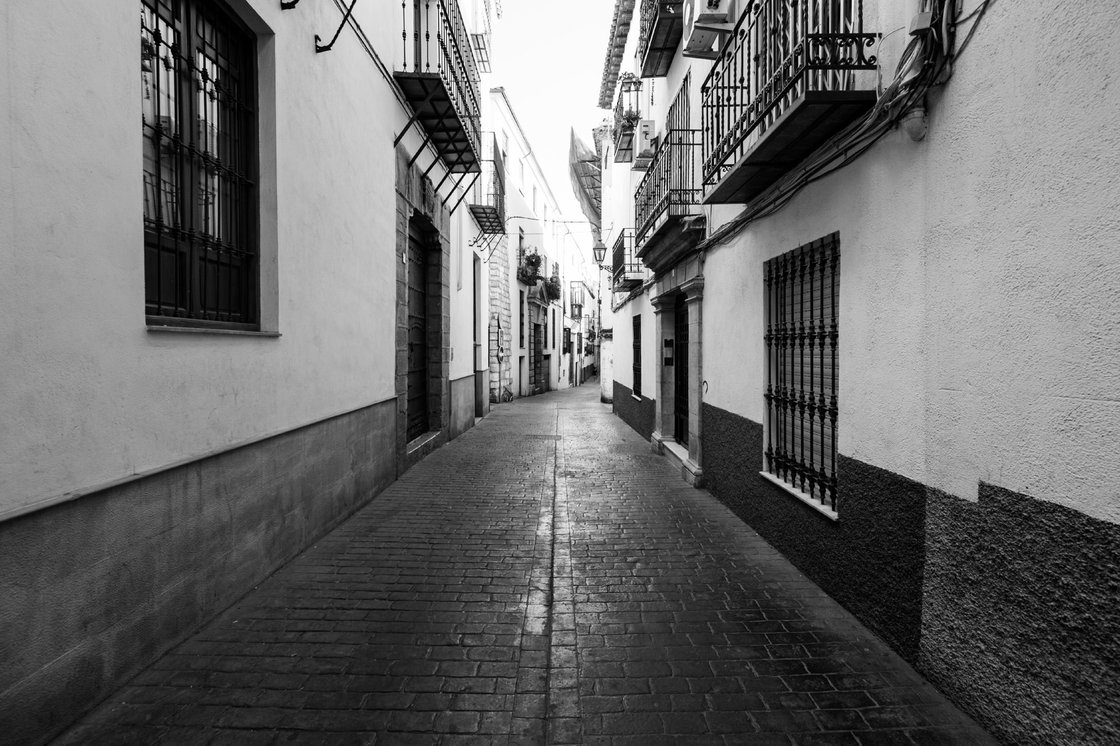
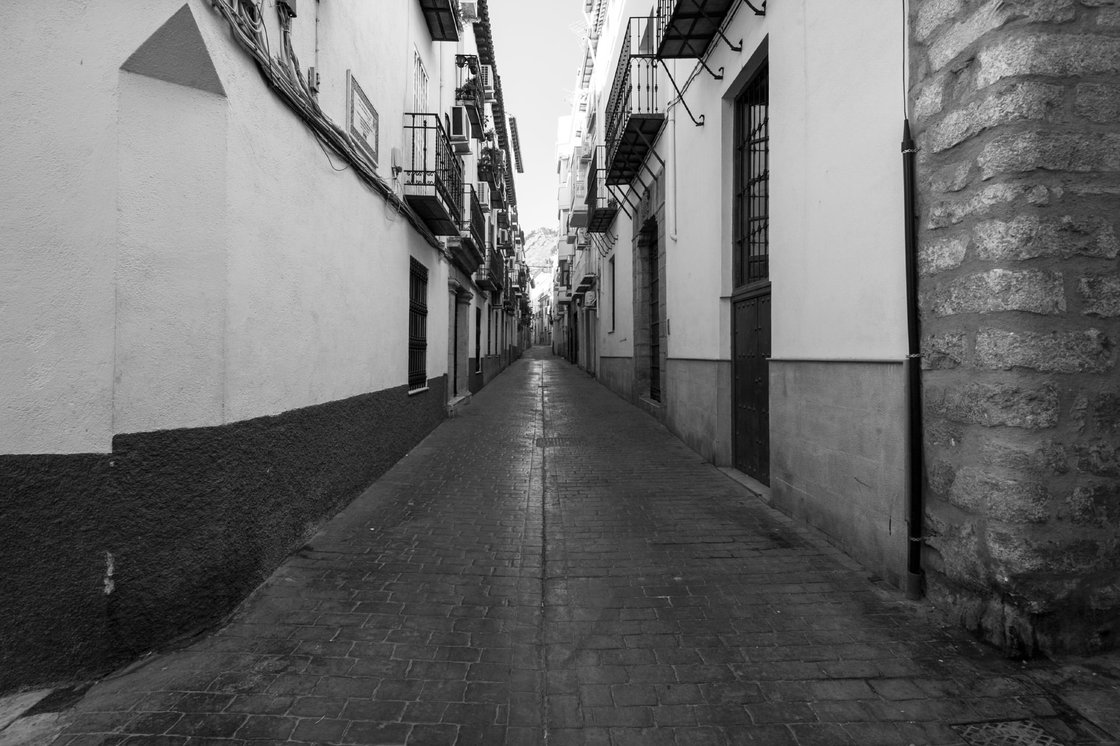
- Calle Francisco Coello, popularly known as Calle Llana, is named after one of its most illustrious residents, Francisco de Paula Coello, soldier and cartographic engineer.
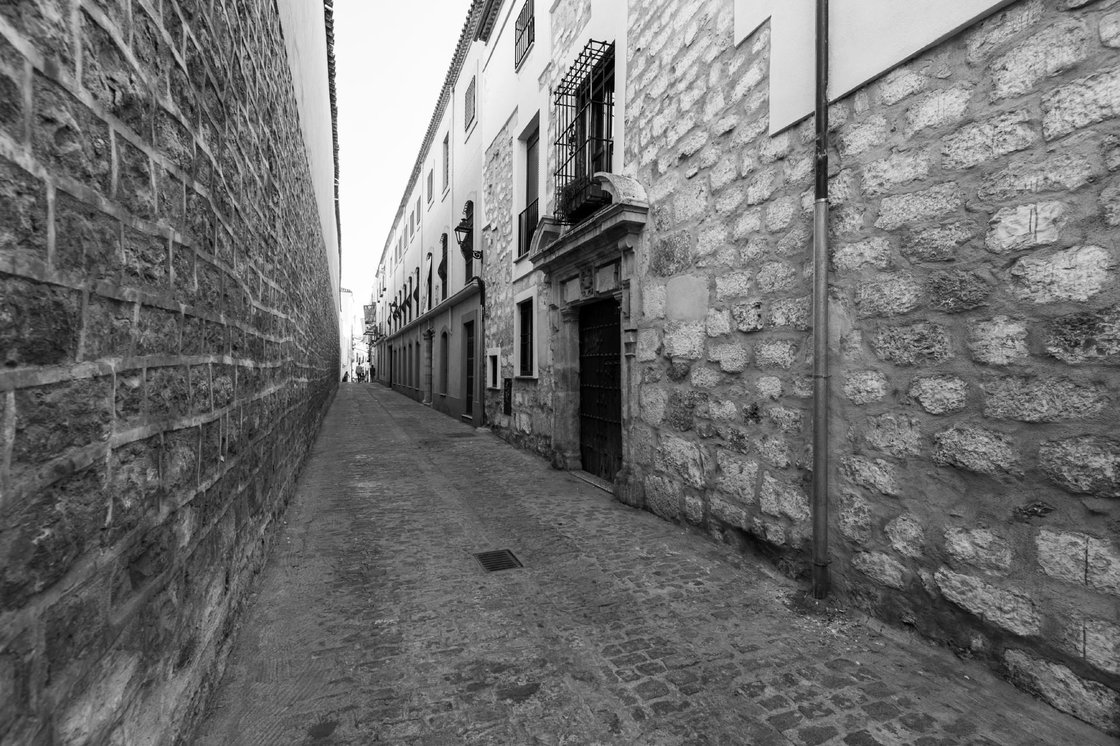
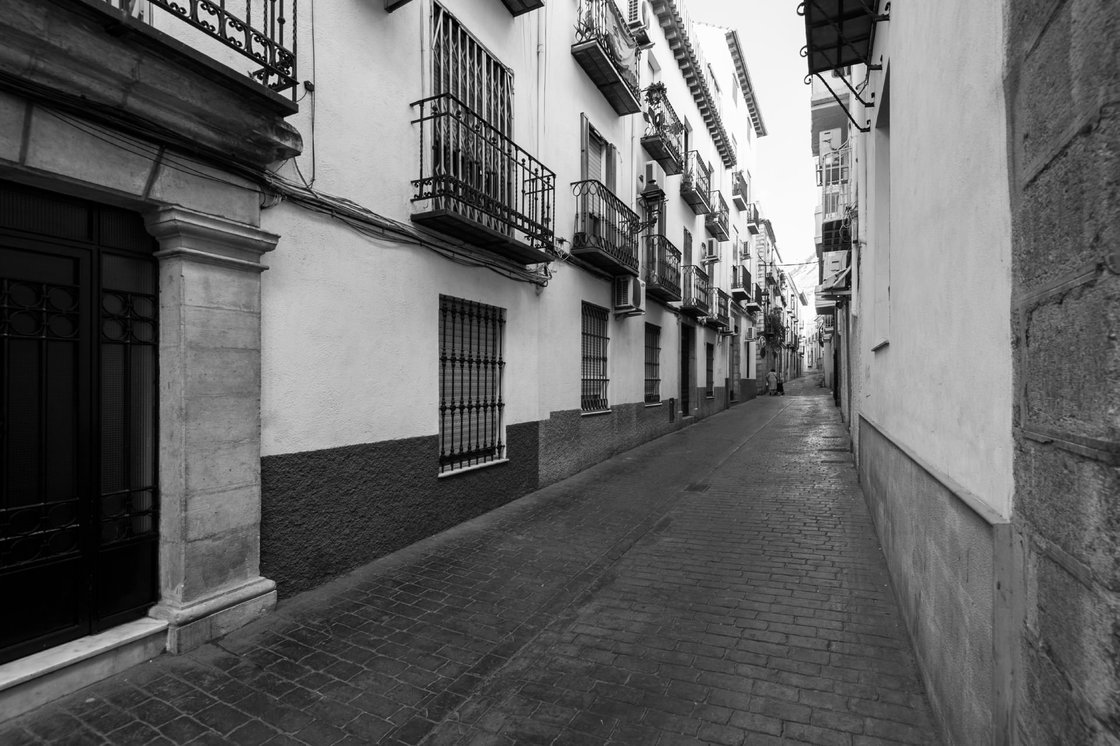
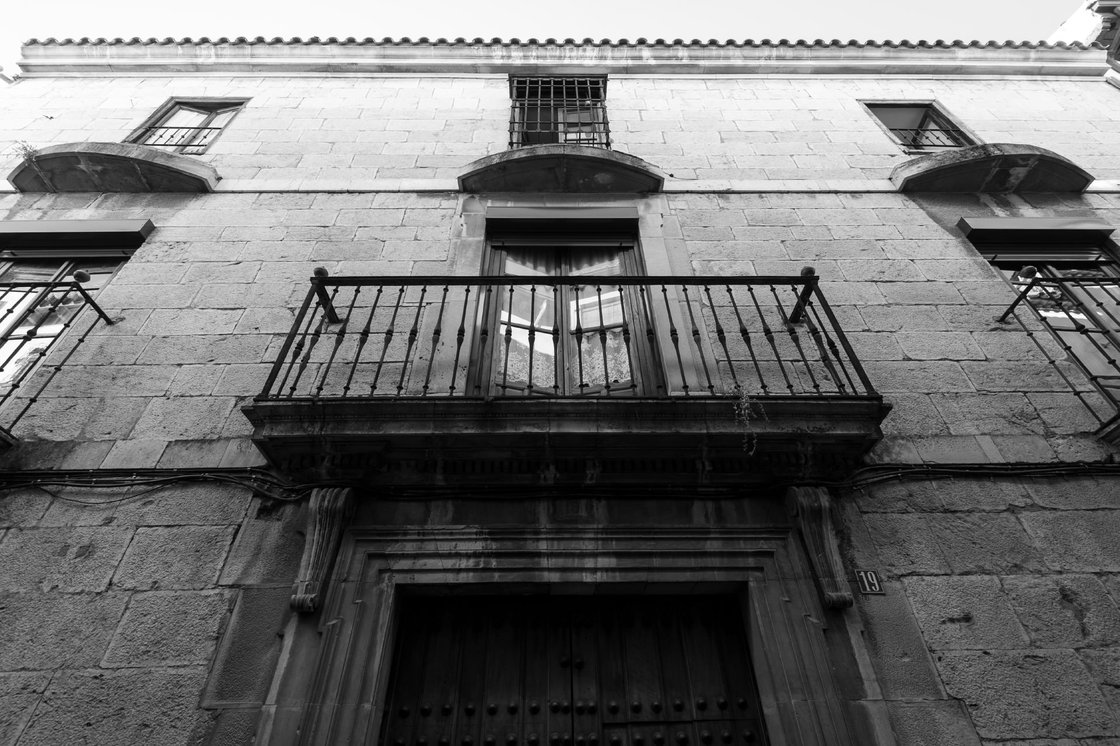
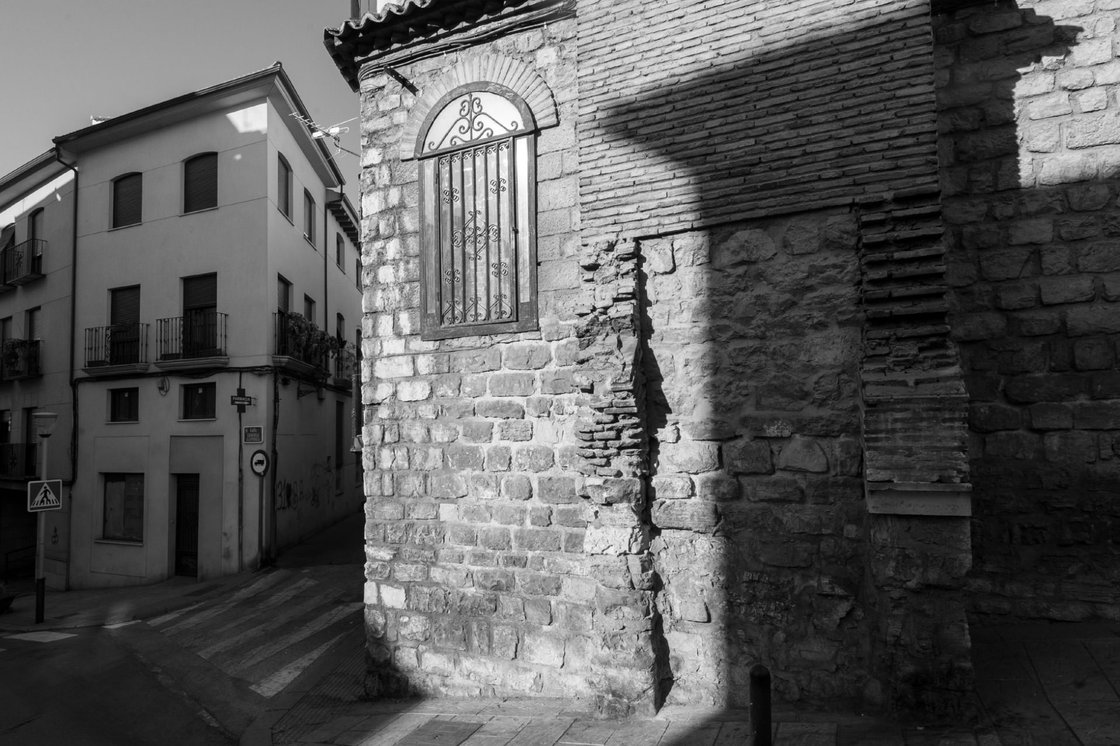
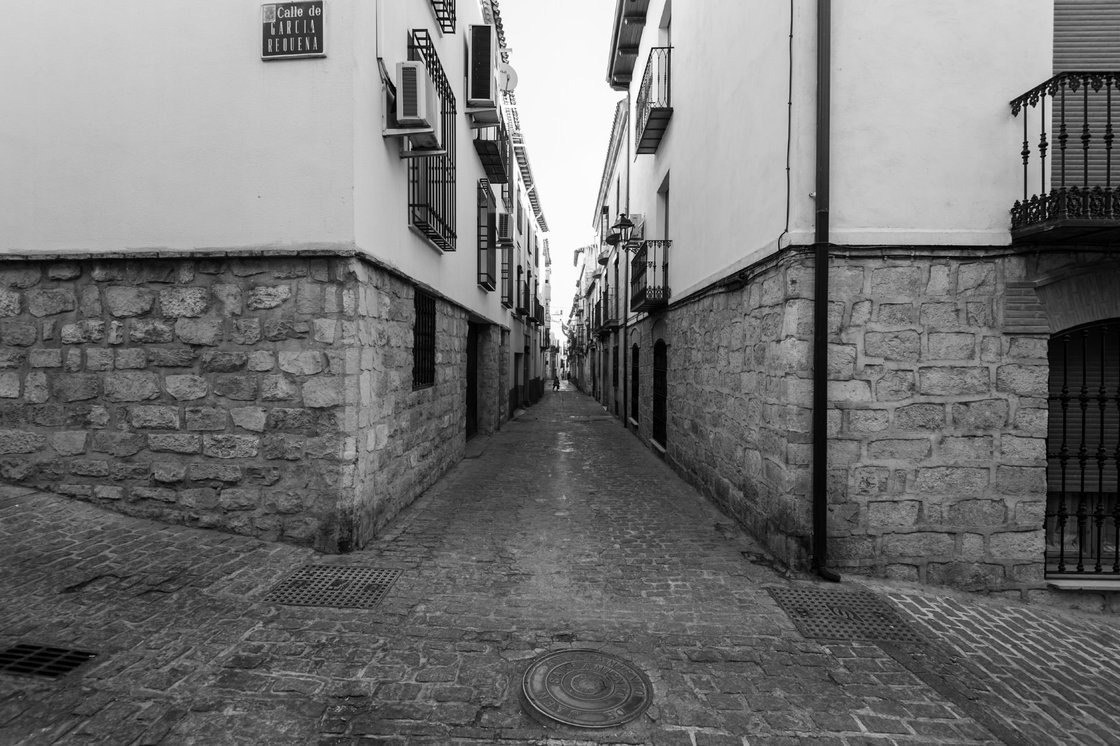
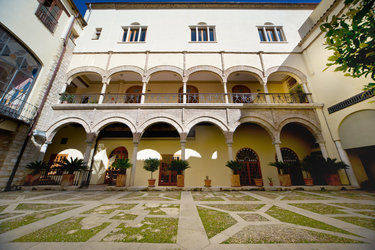
- Stone façades and iron grilles still take the leading role in its many palaces, now restored as homes, most of which belonged to noble and gentry families.
- Figures such as the poet Miguel Hernández, Juan de Aranda, Eufrasio López and Francisco Coello, as well as many of the painters, architects and master masons who worked on the cathedral, lived on one of the most historic streets in the city of Jaén.
More about this place…
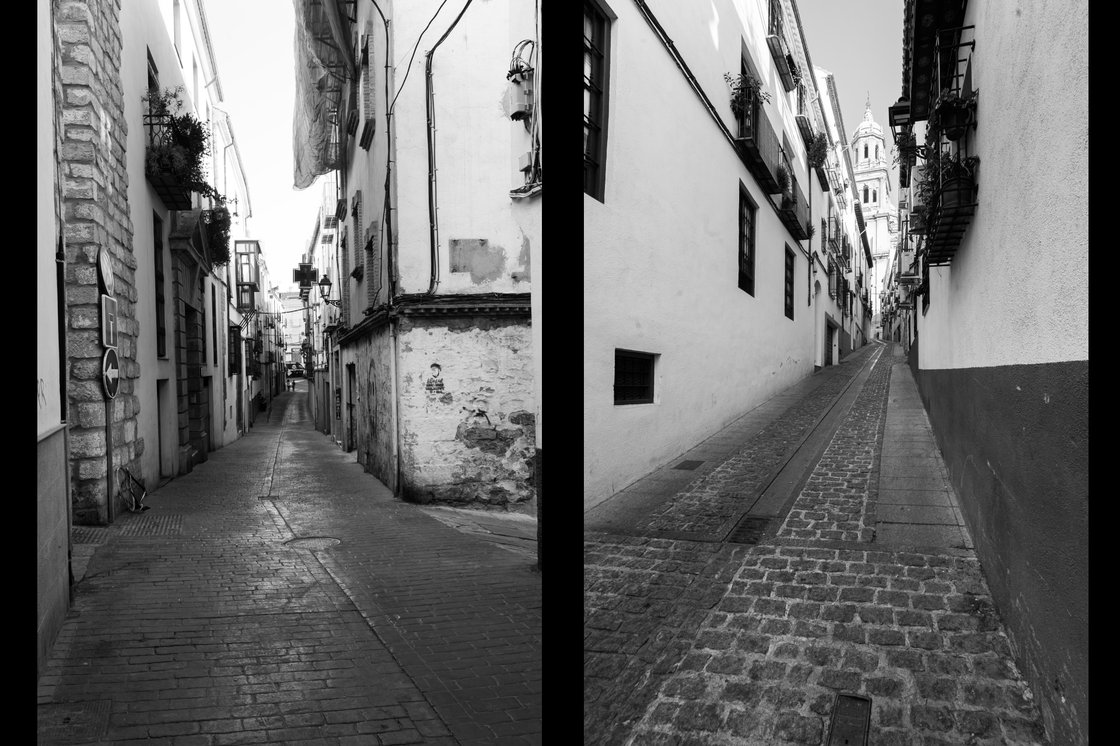
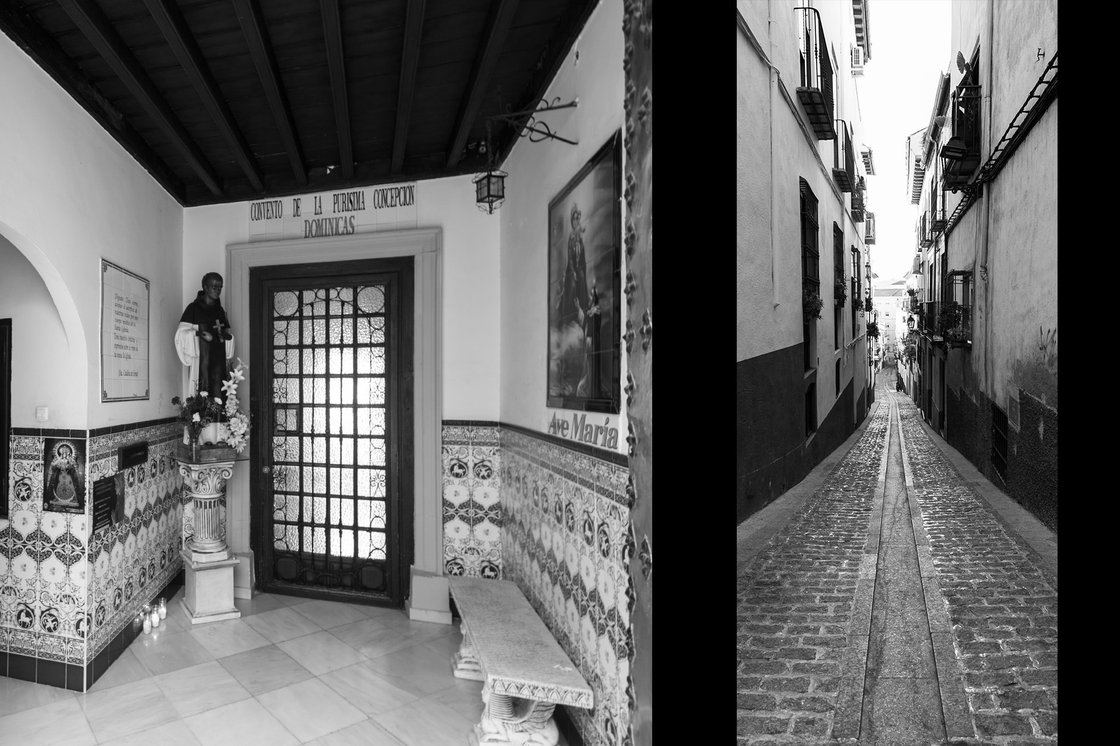
La Calle Llana, like the La Alcantarilla district it belongs to, has its origins in the old Arrabal de las Monjas. The street plan of this quarter was completed during the 16th century, with new streets added that gave it a more orderly layout. In its three hundred metres, Calle Llana gathers a great many heritage buildings and much of the city’s history. Its many palaces, now converted into homes, its two convents and above all its look of stone façades with windows framed by great iron grilles still convey the essence of one of the oldest and most emblematic streets in the old town of Jaén.
How to arrive
You may also like
San Juan de Dios Hospital
Jaén
Jabalcuz Hot Spring
Jaén
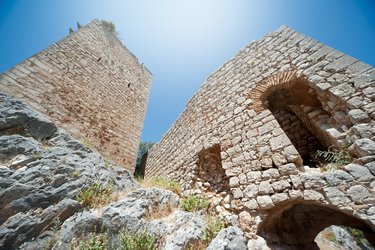
Otíñar Castle
Jaén
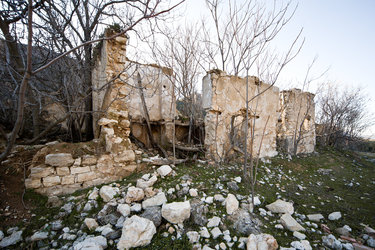
Otíñar - Santa Cristina
Jaén
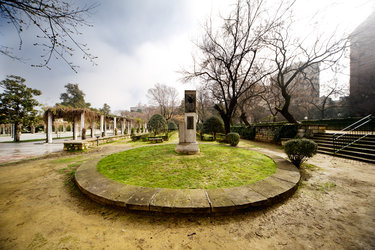
Concordia Park
Jaén
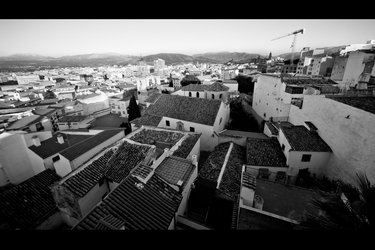
The Jewish Quarter
Jaén
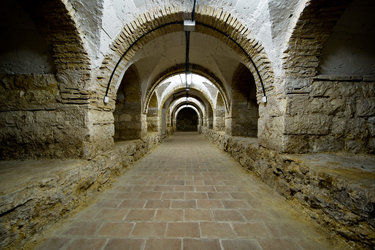
Catacumbas de San Ildelfonso
Jaén
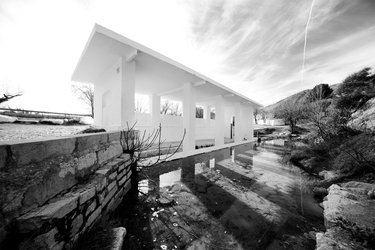
La Fuente de la Peña
Jaén
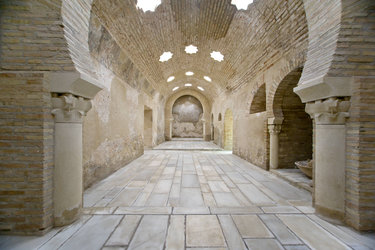
The Arab Baths
Jaén
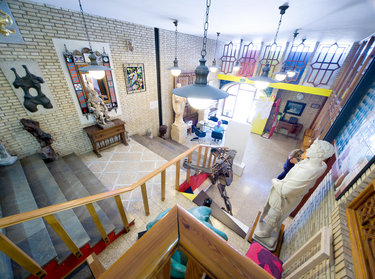
School of Art
Jaén
Palace of Constable Iranzo
Jaén
The Old Cemetery
Jaén