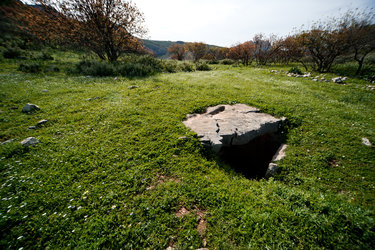
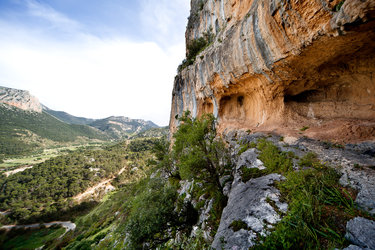
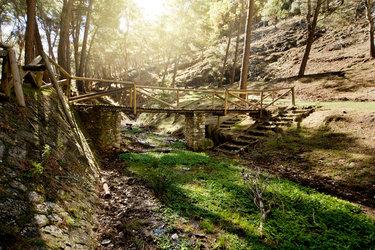
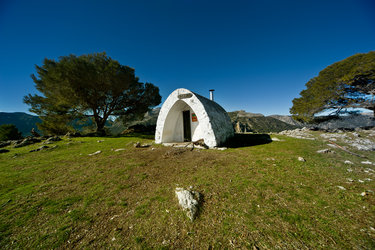
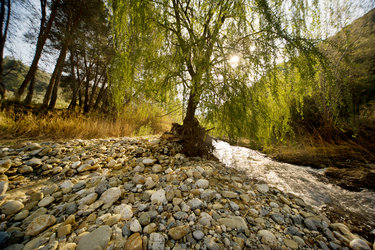
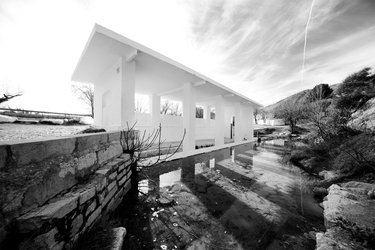
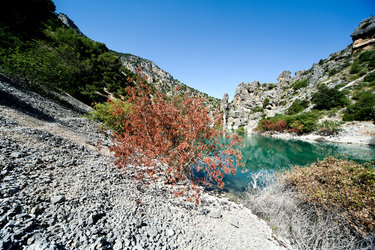
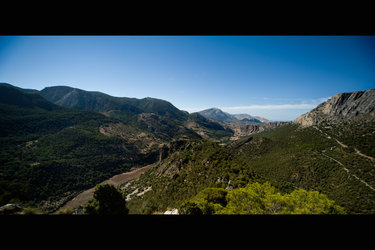
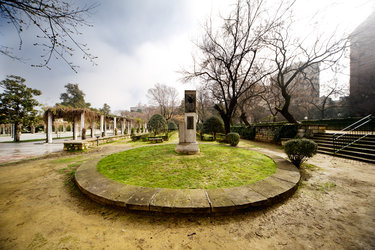
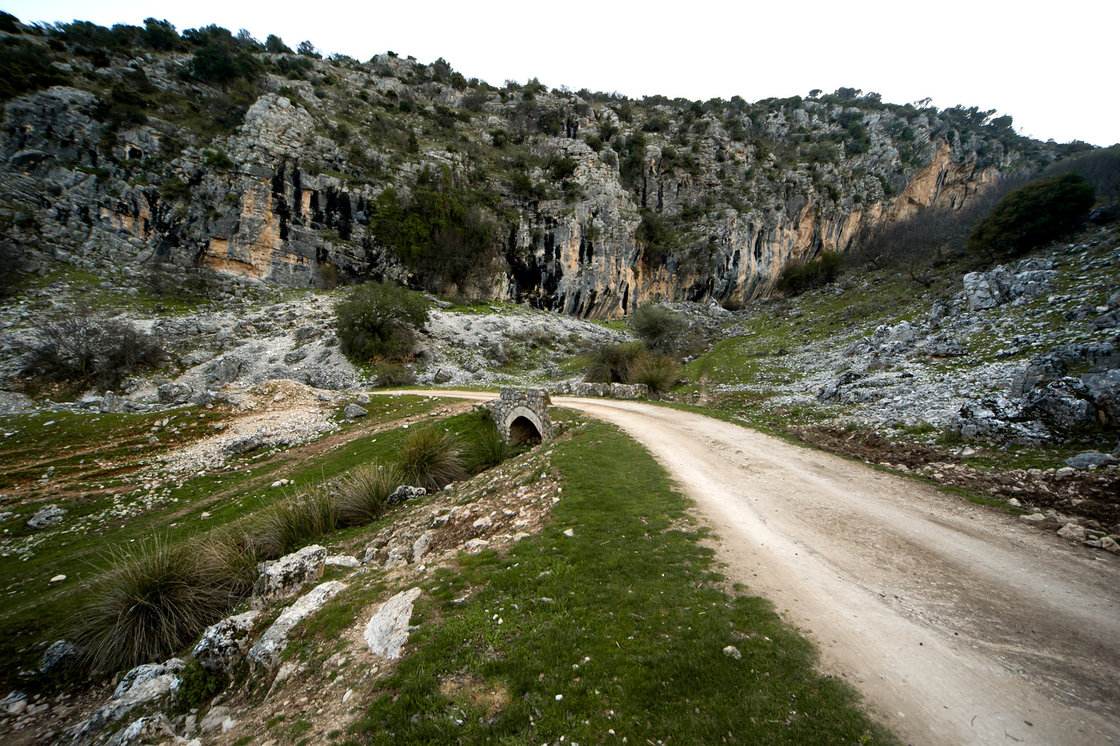
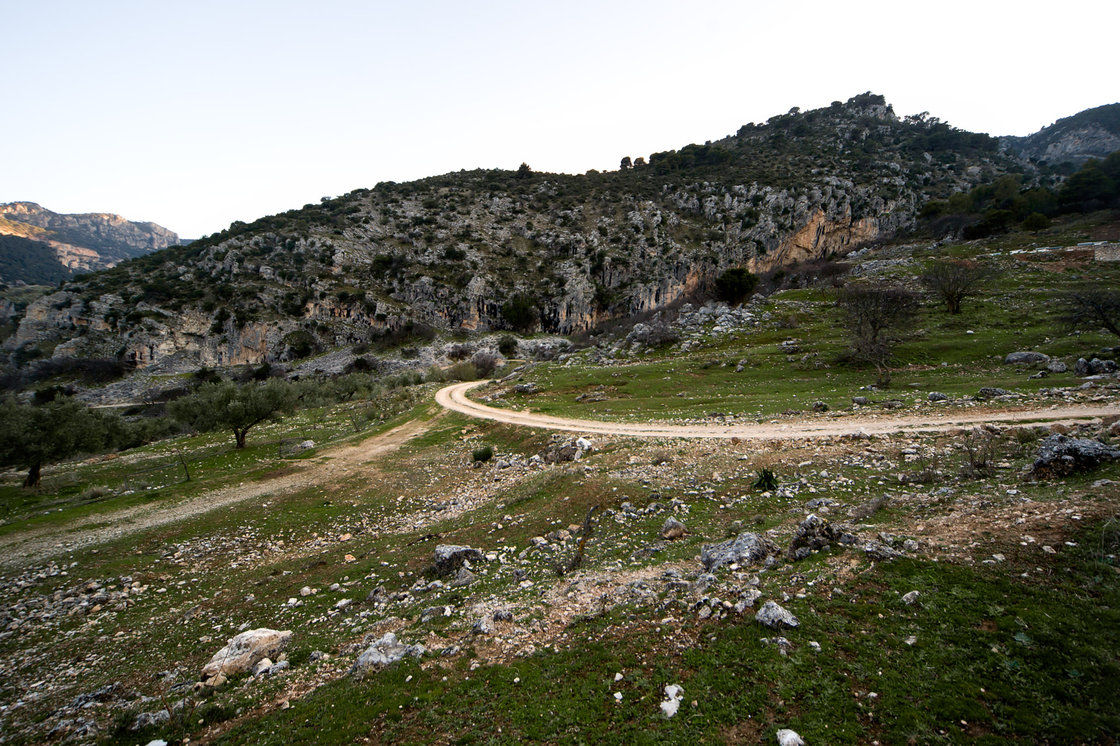
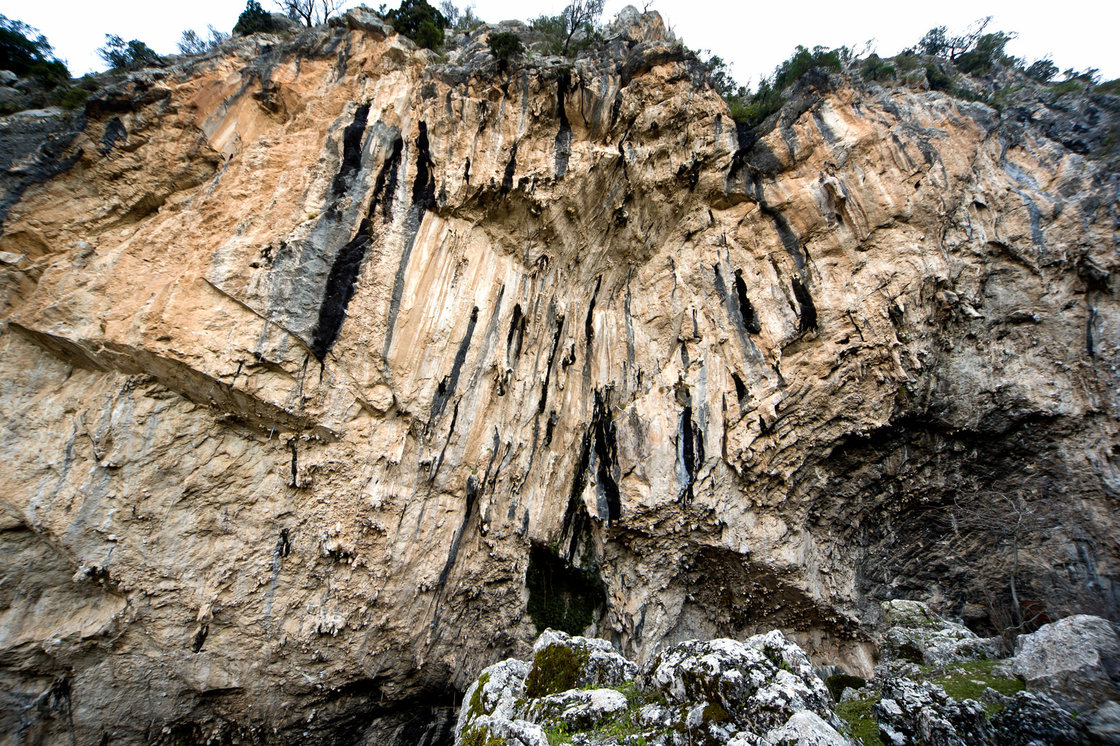
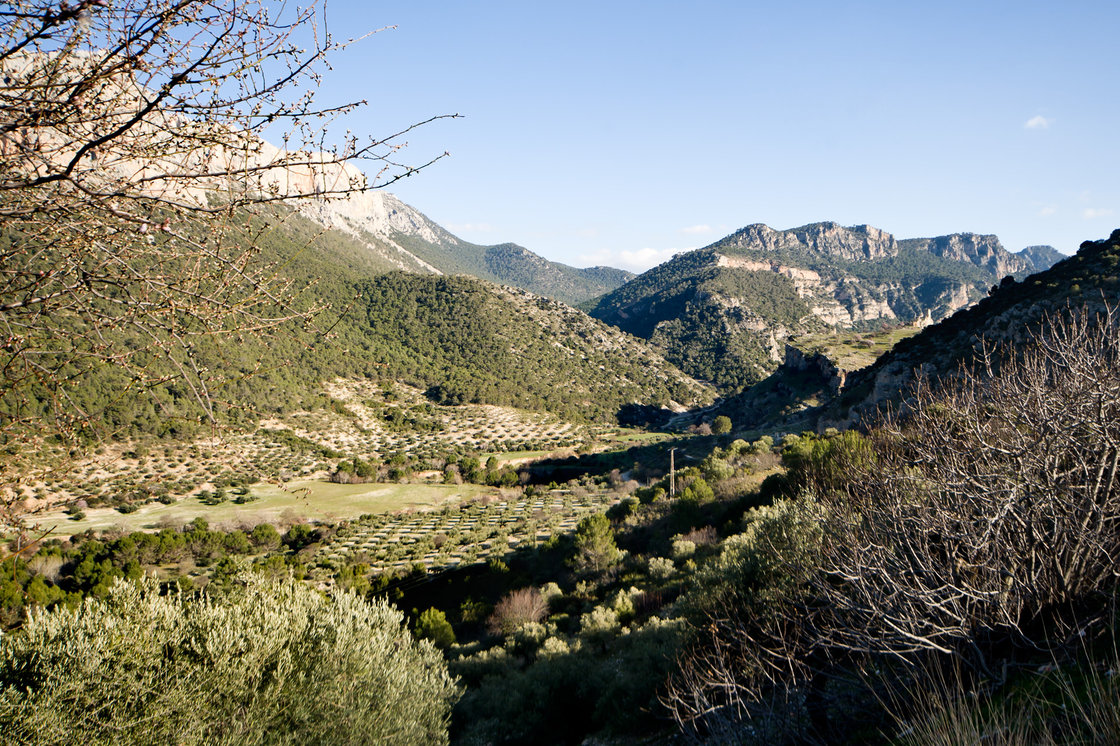
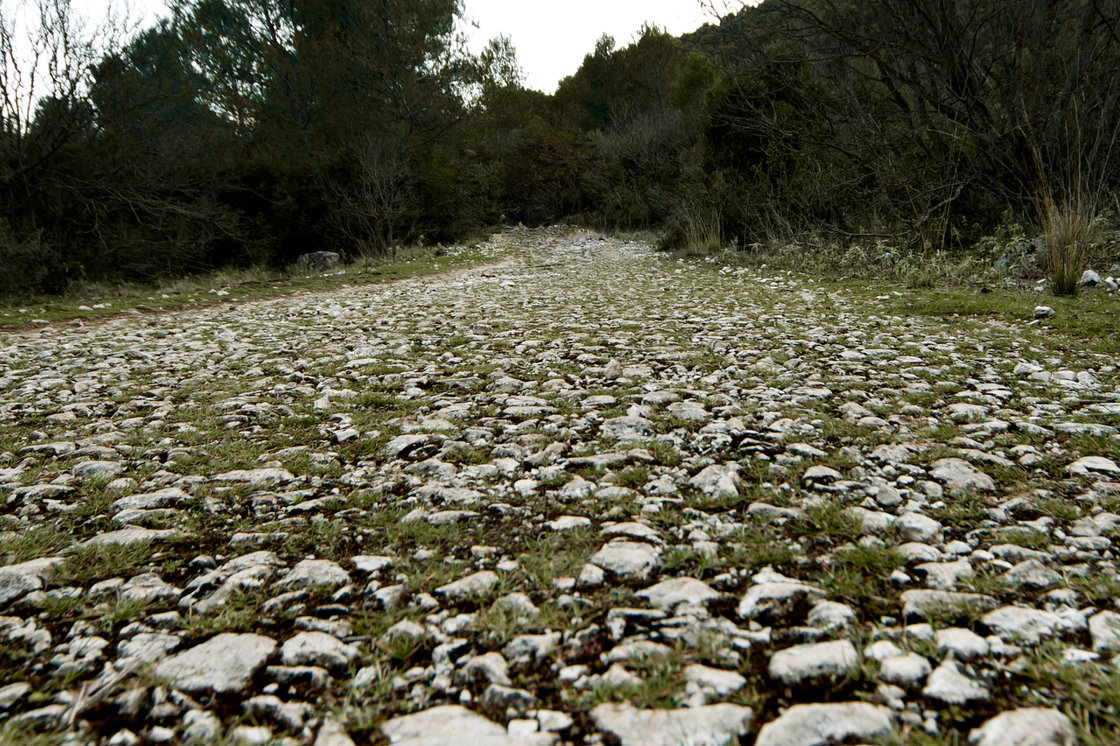
- Inhabited since 4000 BC, Otíñar is a place of incalculable historical and natural value.
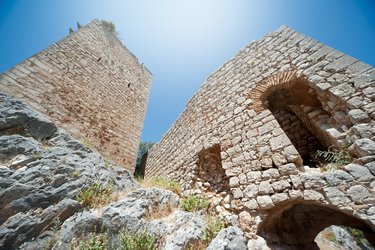
- A strategic point controlling the way to Granada during the Middle Ages. After the Christian reconquest, efforts were made to establish a settlement here.
- After several failed attempts and centuries of overexploitation of the forests, in 1826 the old village of Otíñar was finally rebuilt after José Cañada Rojo bought its land.
- In 1831 María Cristina de Borbón was declared patron of the village, which was renamed Santa Cristina.
- The social structure of the hamlet was that of a true lordship, as many texts and articles of the time show. An example is the article “La Aldea con Amo” (The Hamlet with a Master), published by Luis Bello in the newspaper El Sol on 29 July 1928.
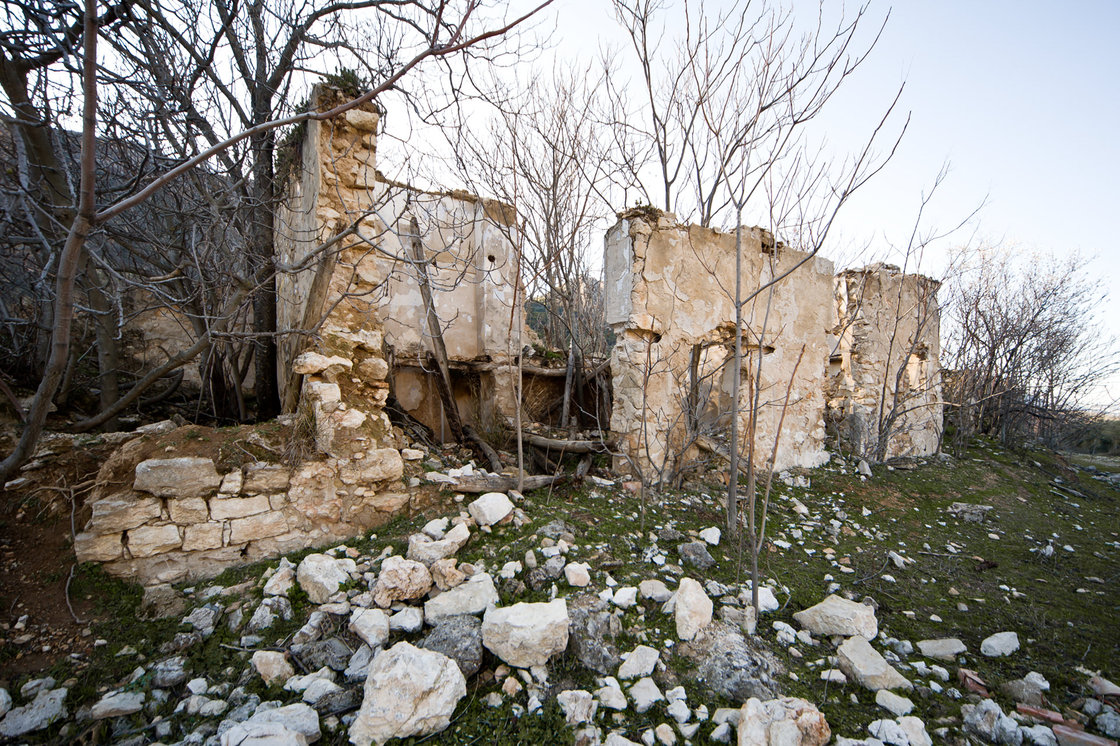
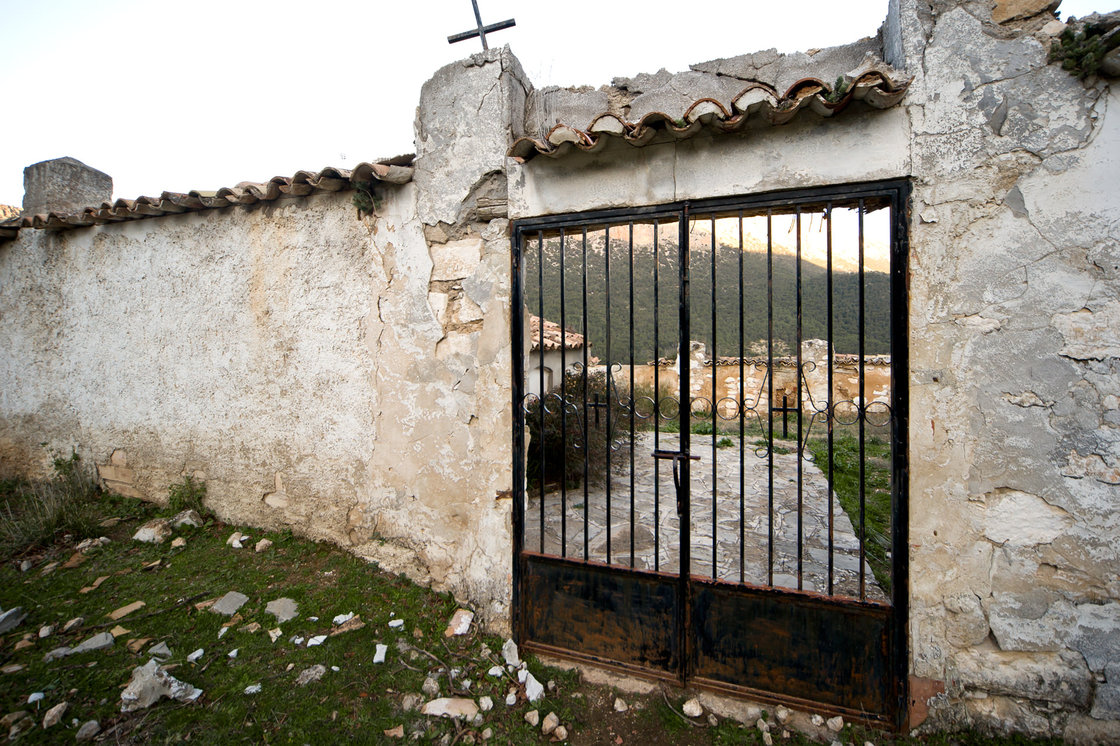
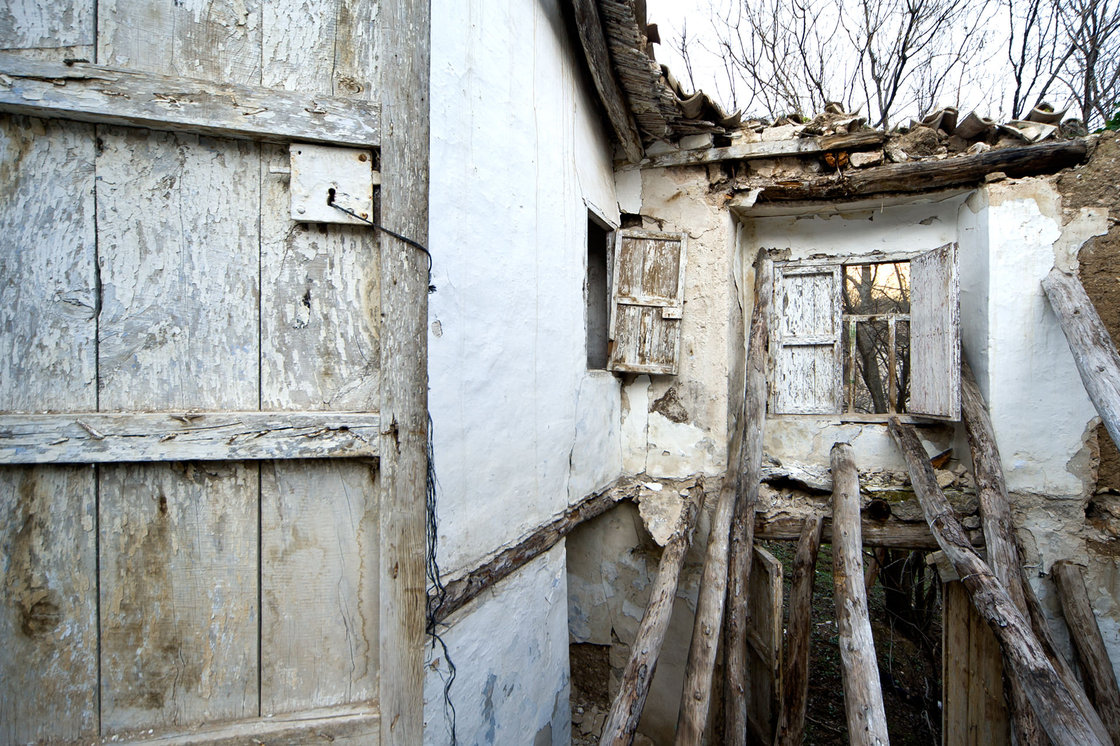
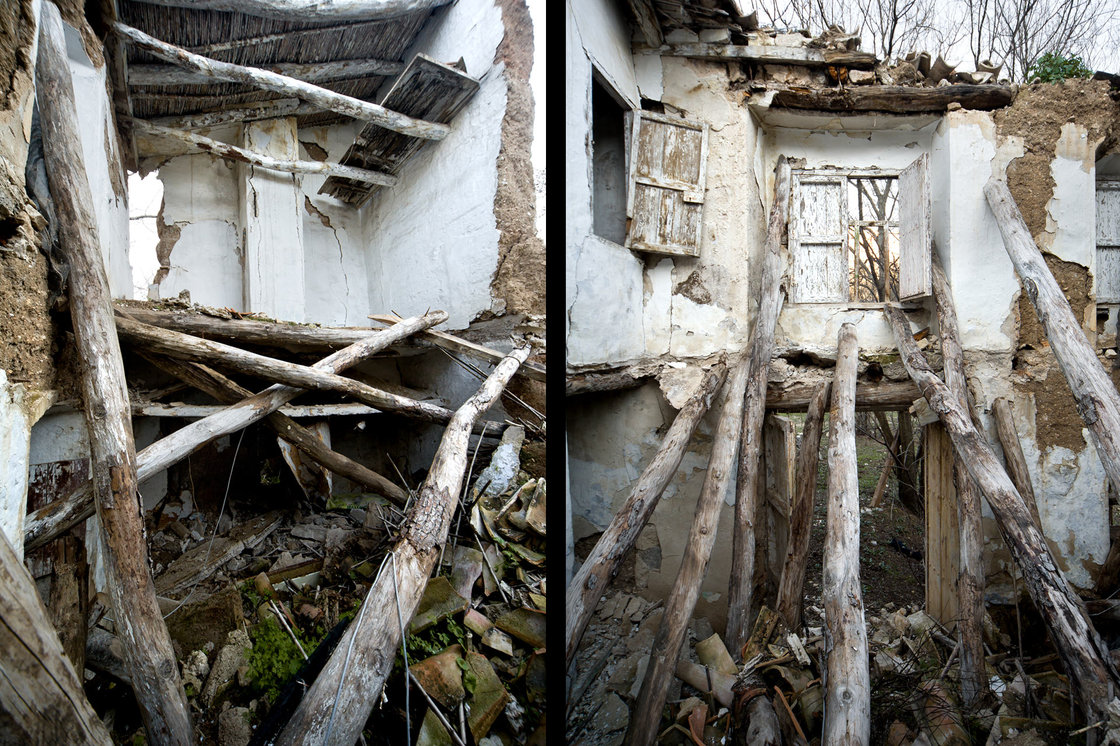
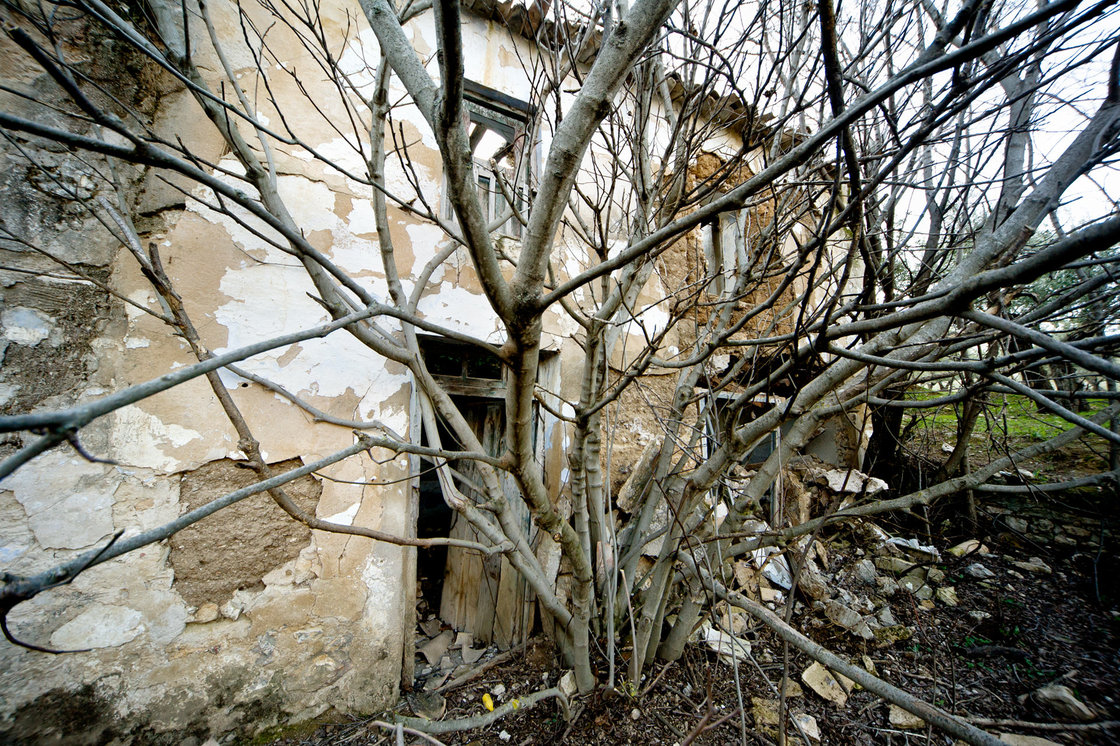
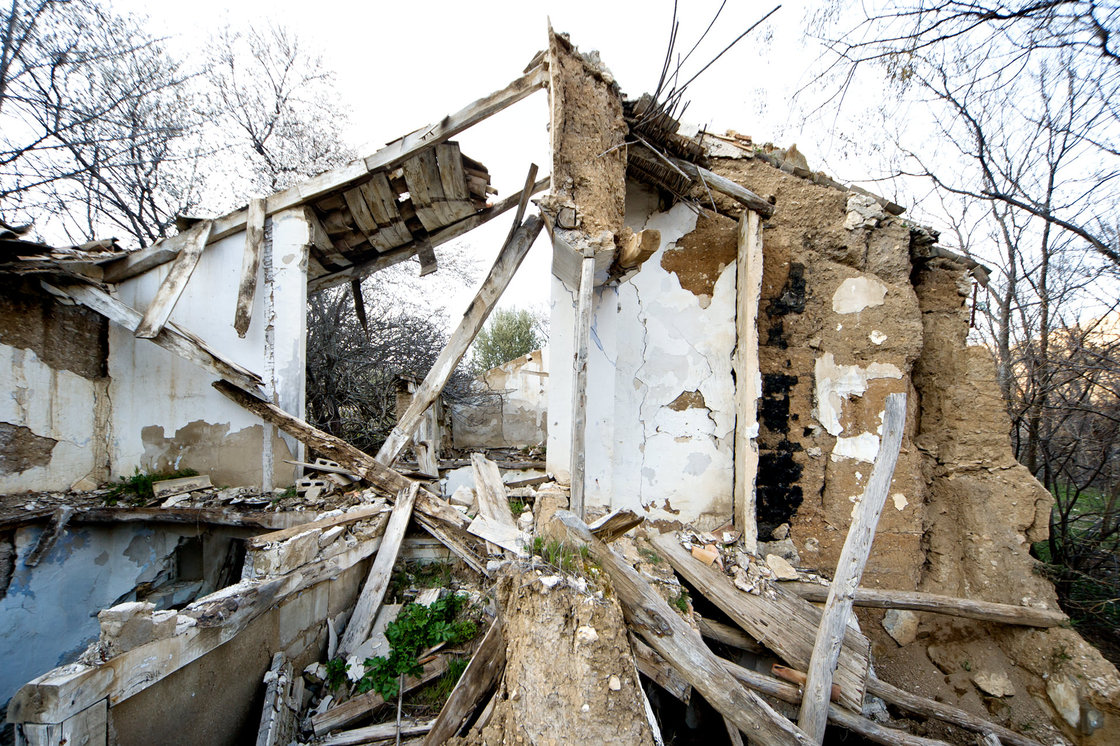
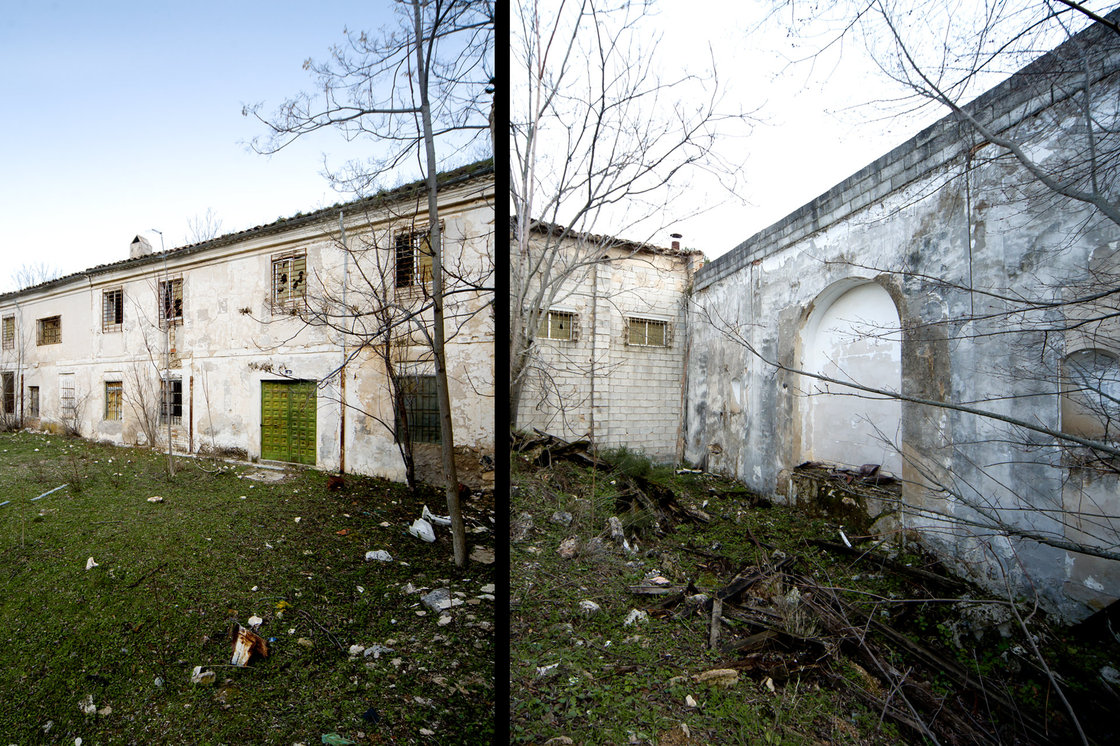
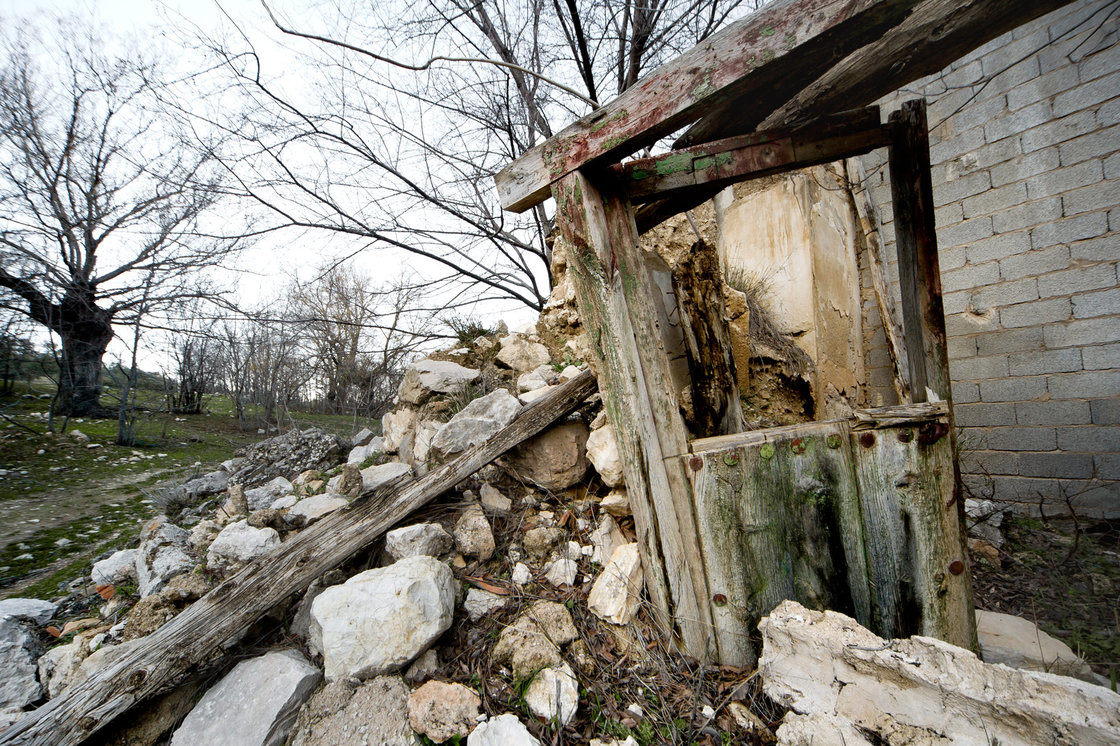
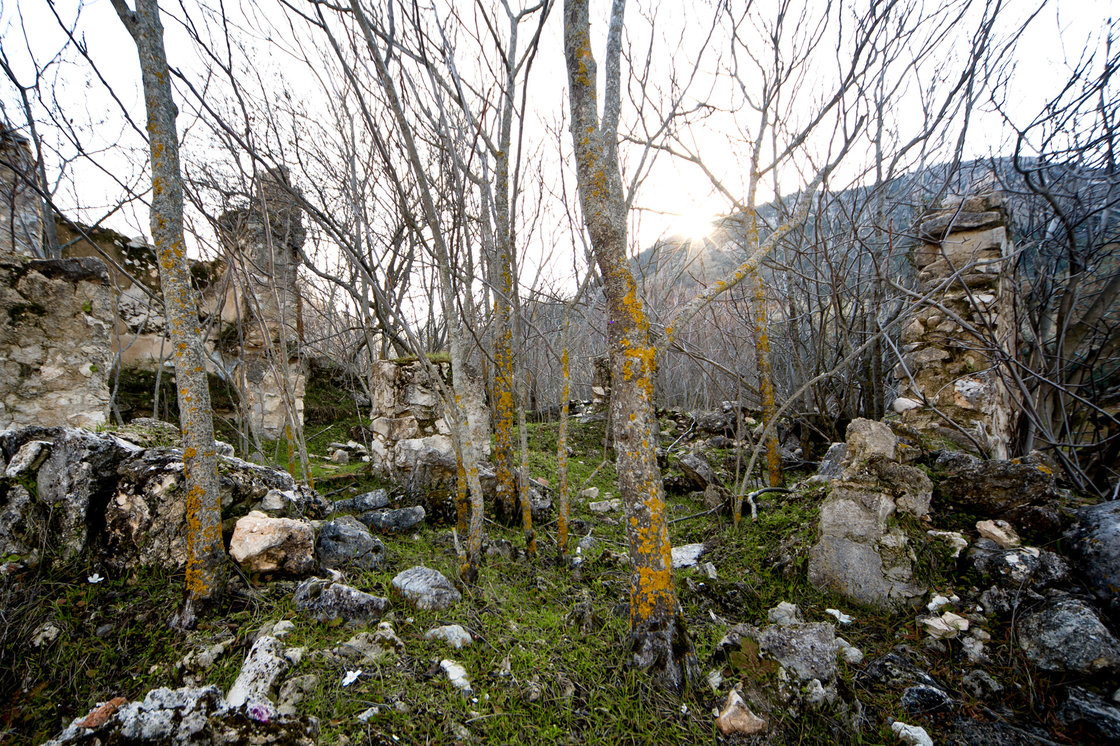
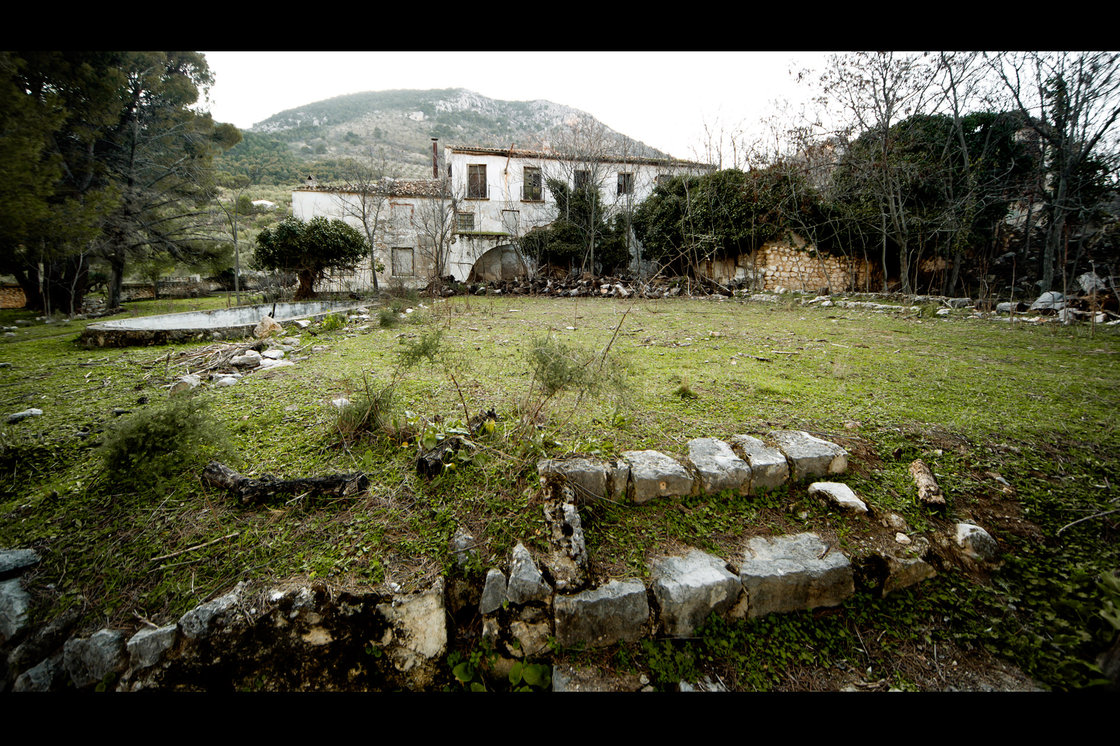
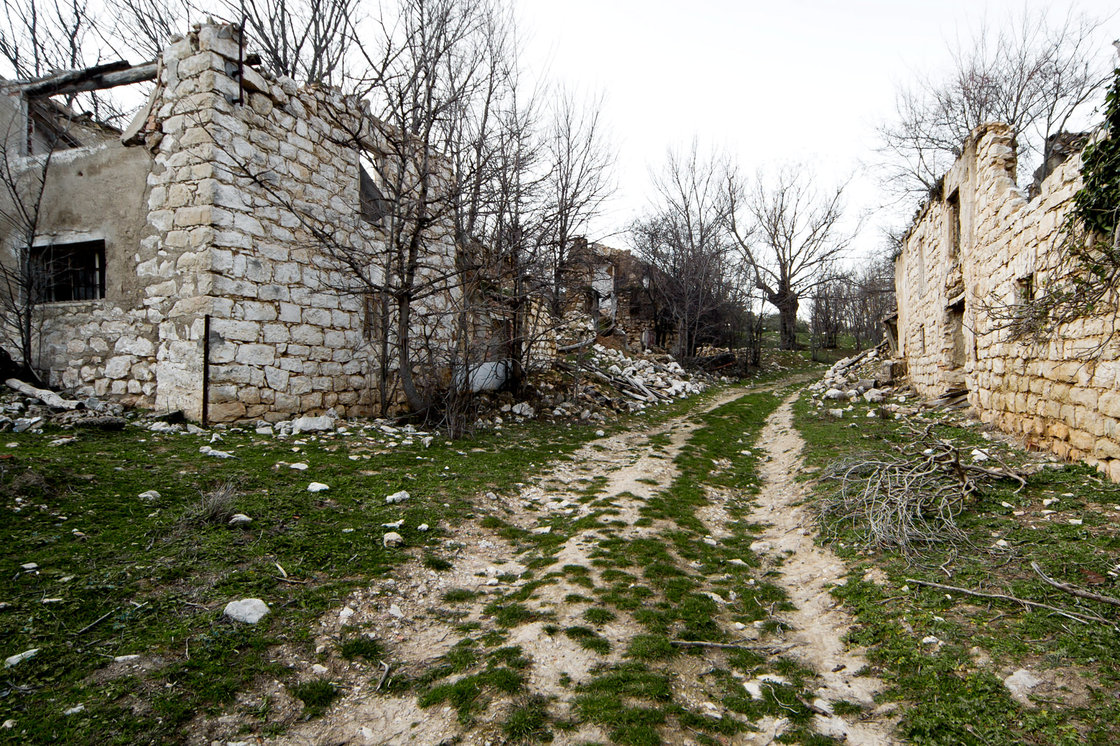
- The hamlet, which came to have 400 inhabitants, was finally deserted in the 1970s. The end of subsistence farming and pressure from the owners drove its last inhabitants to emigrate.
More about this place…
Inhabited since 4000 BC, Otíñar brings together an enormous archaeological and historical heritage and a spectacular landscape. After the Christian reconquest there were several attempts to resettle it, which finally led to the founding of the hamlet of Santa Cristina on the old village of Otíñar. This small hamlet came to have 400 inhabitants and a rather peculiar social structure, since the “owners” held a position of social dominance typical of medieval times. It was finally deserted in the 1970s.