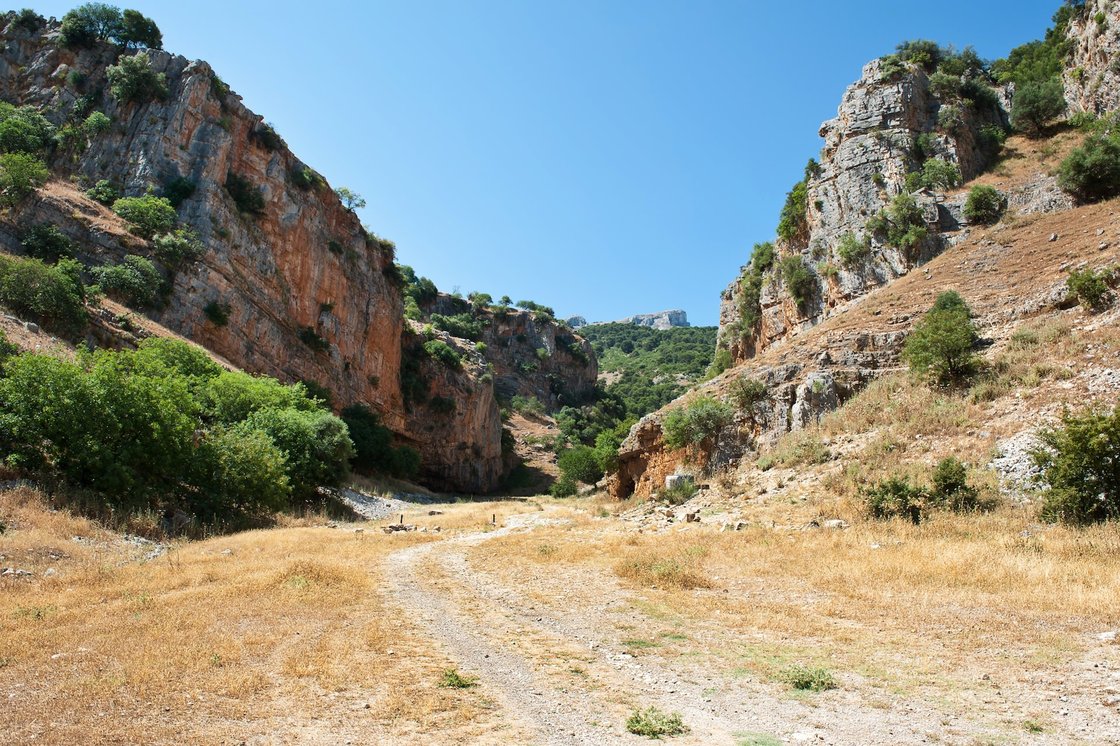
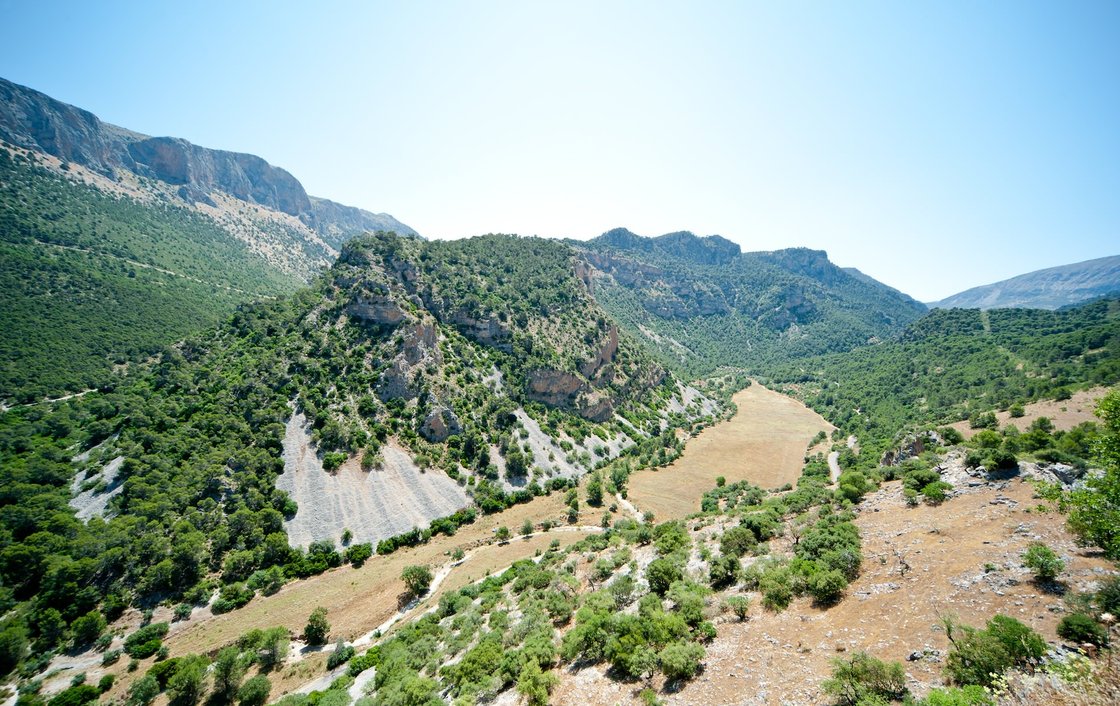
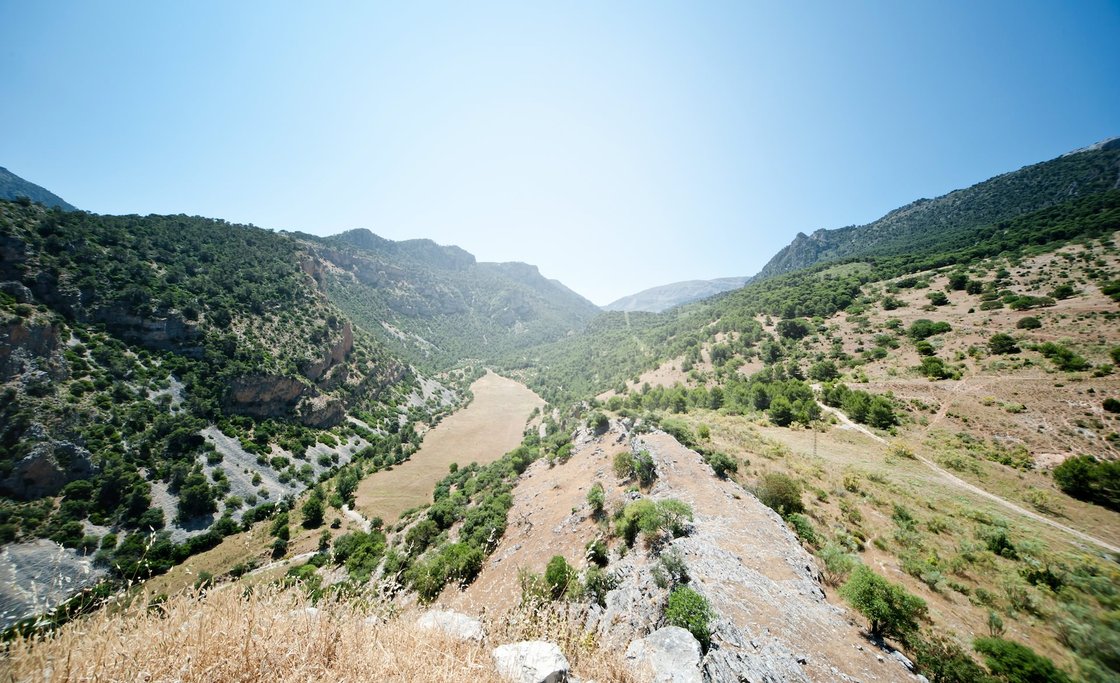
- In the Sierra Sur of Jaén, the Otíñar valley holds many examples of rock art.
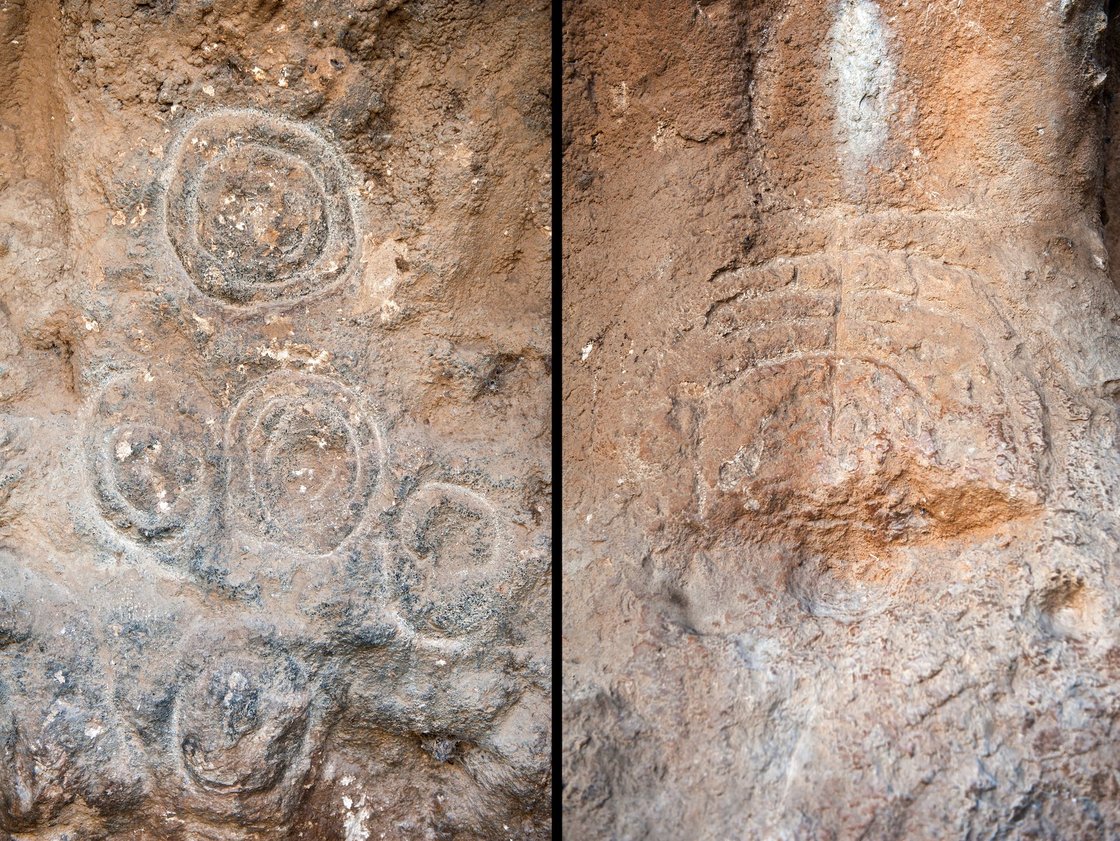
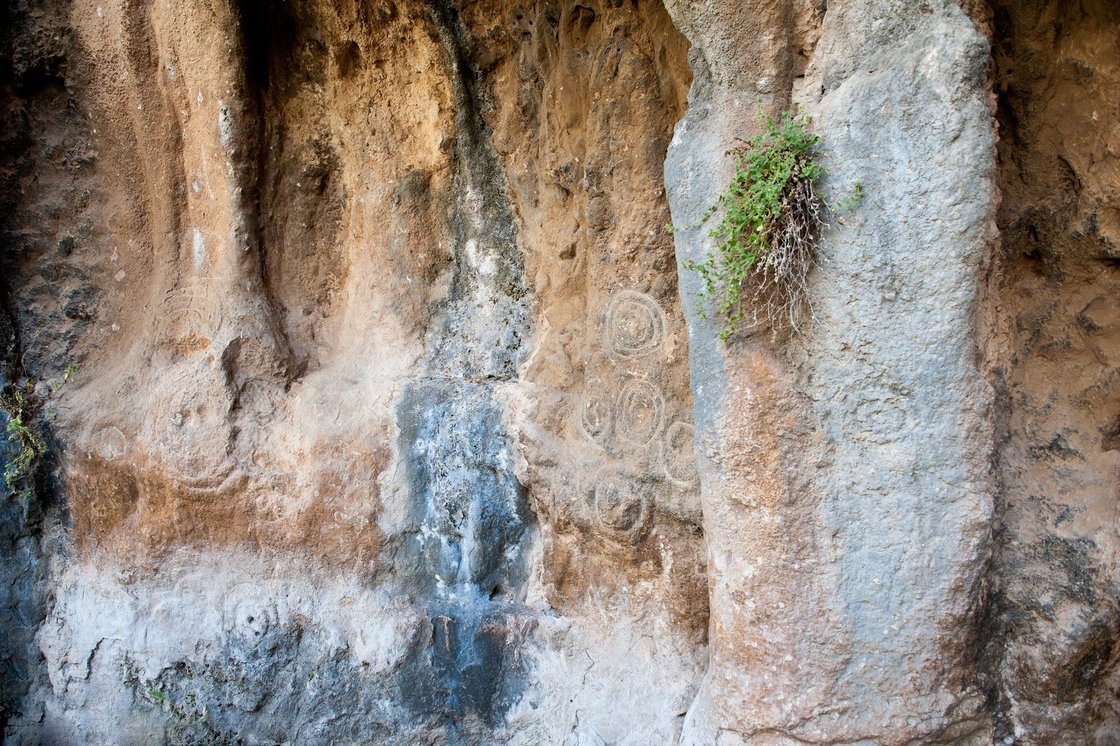
- The engravings (petroglyphs) in this article are in the Barranco de La Tinaja and date from the Neolithic.
- Inhabited since prehistory, Otíñar was a key enclave during the Middle Ages.
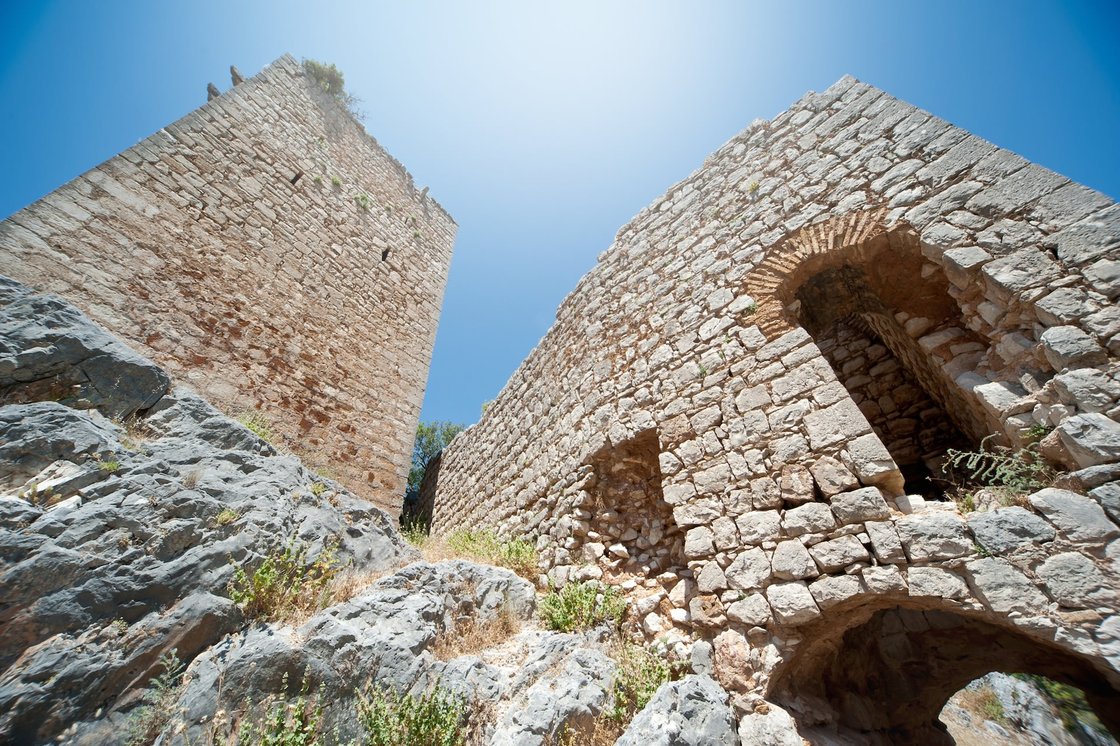
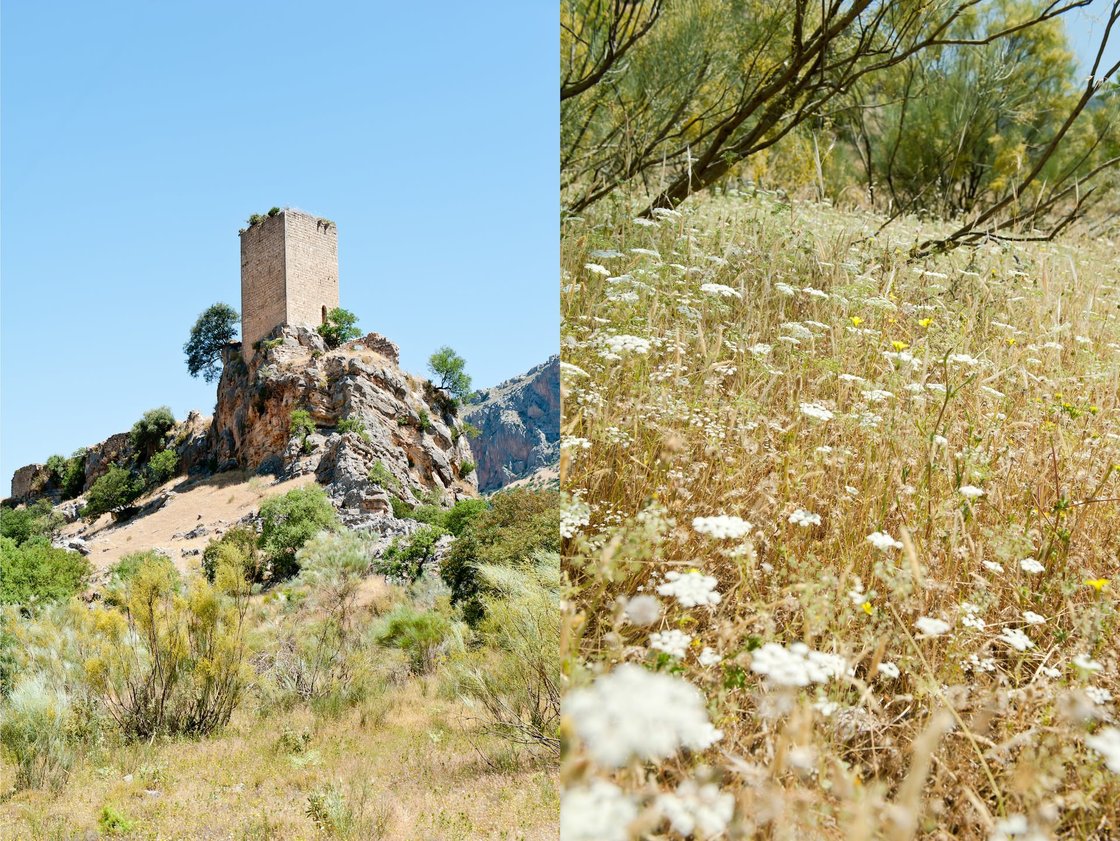
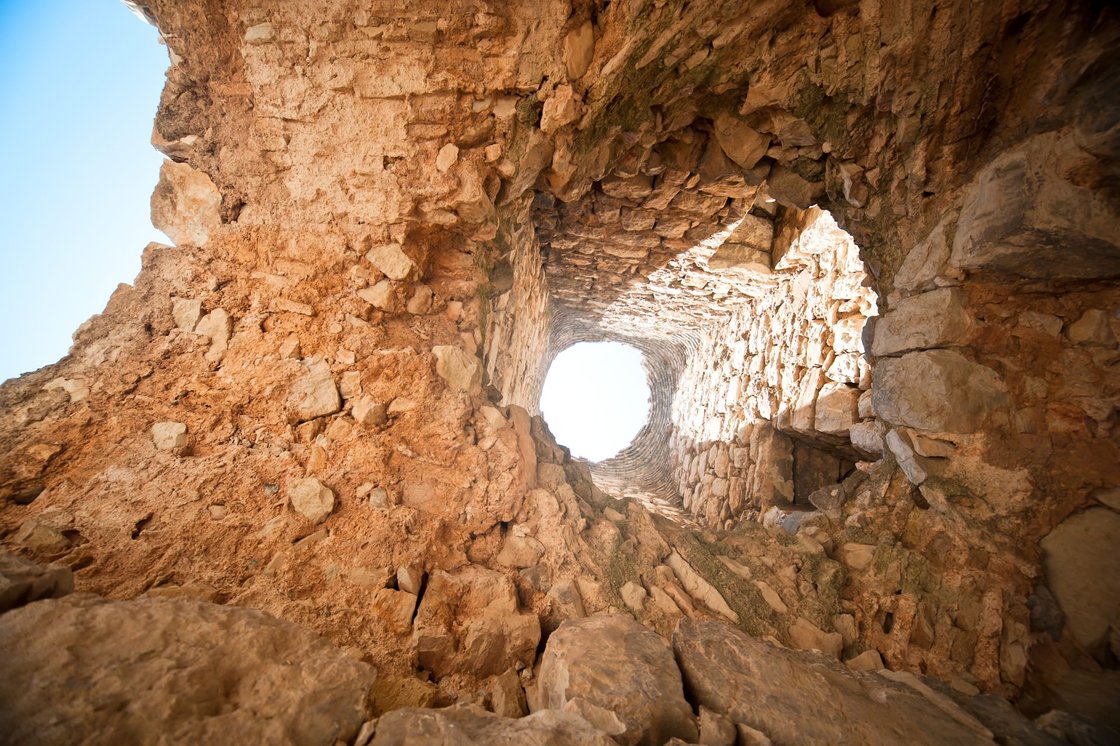
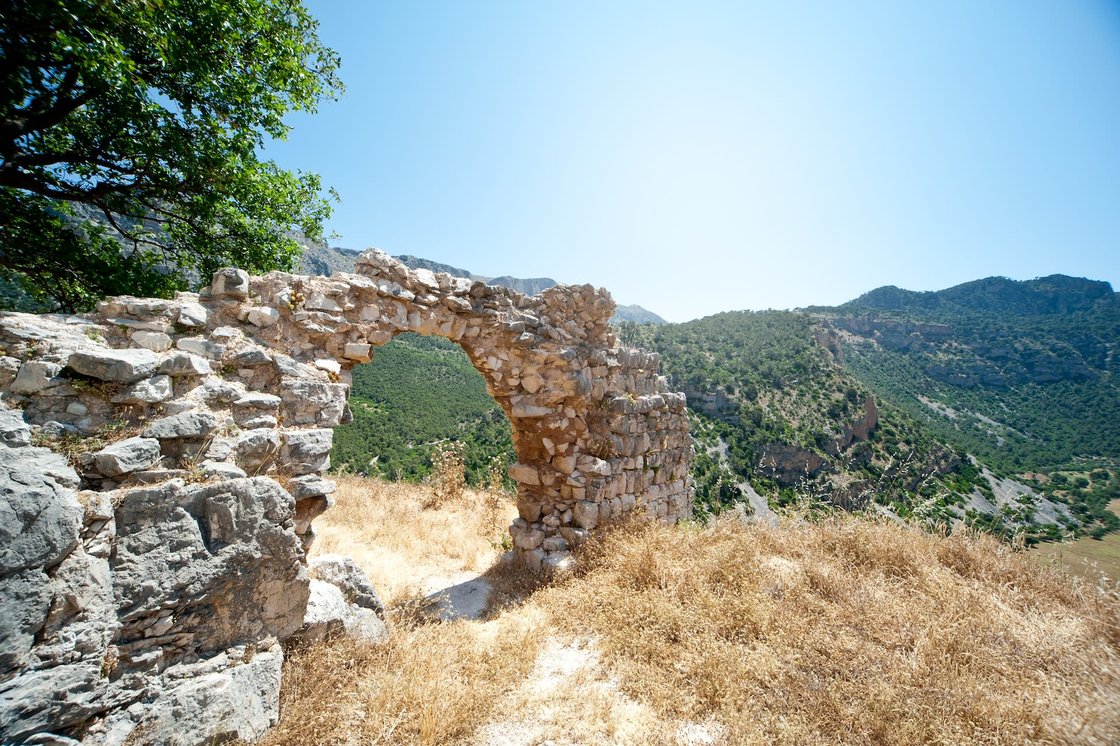
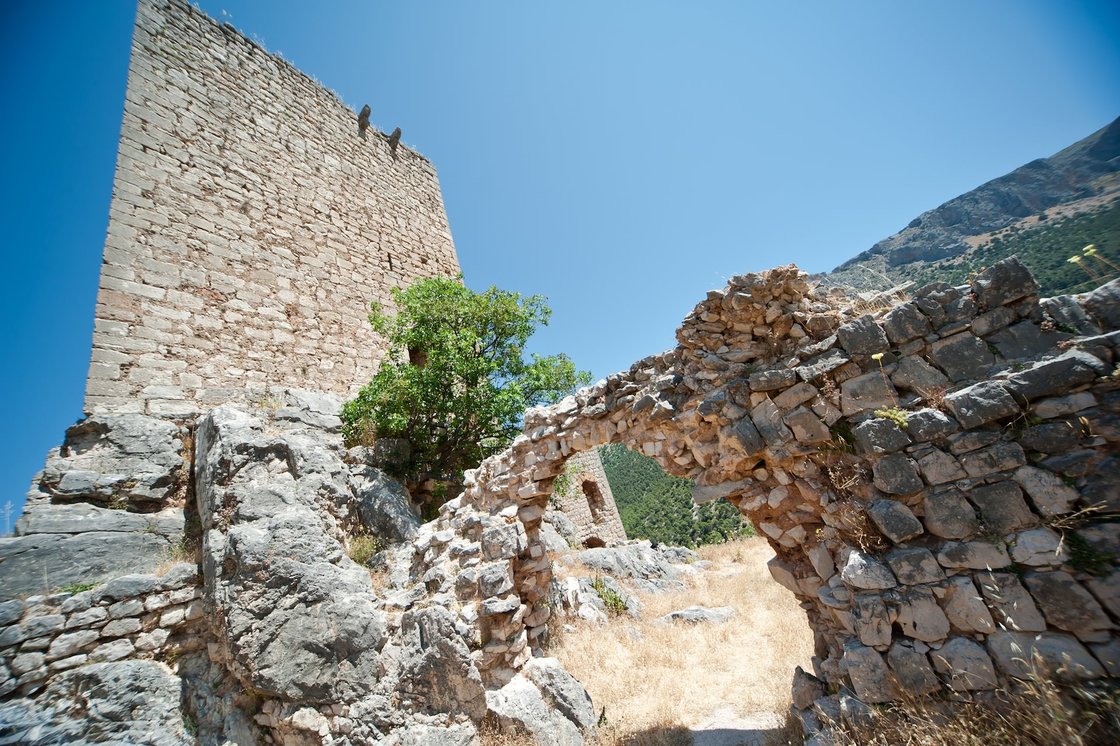
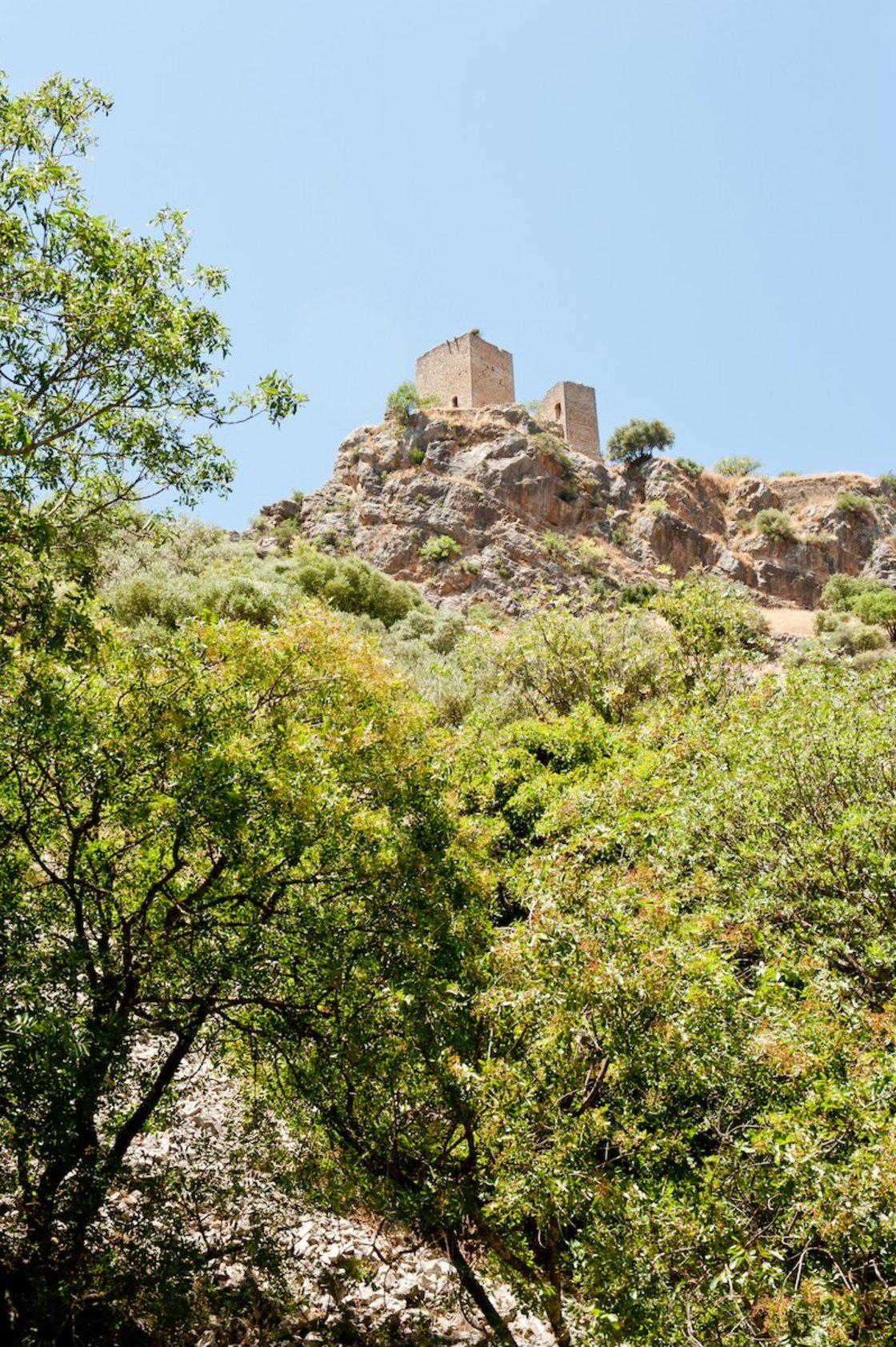
- Otíñar Castle was built in 1246 on top of an Arab fortification, when Ferdinand III conquered Jaén.
- It watched over the border with Granada, sending smoke signals that could be seen from Torre Bermeja.
- In 1826 the hamlet of Santa Cristina de Otíñar was founded, and it stayed inhabited until 1970.
More about this place…
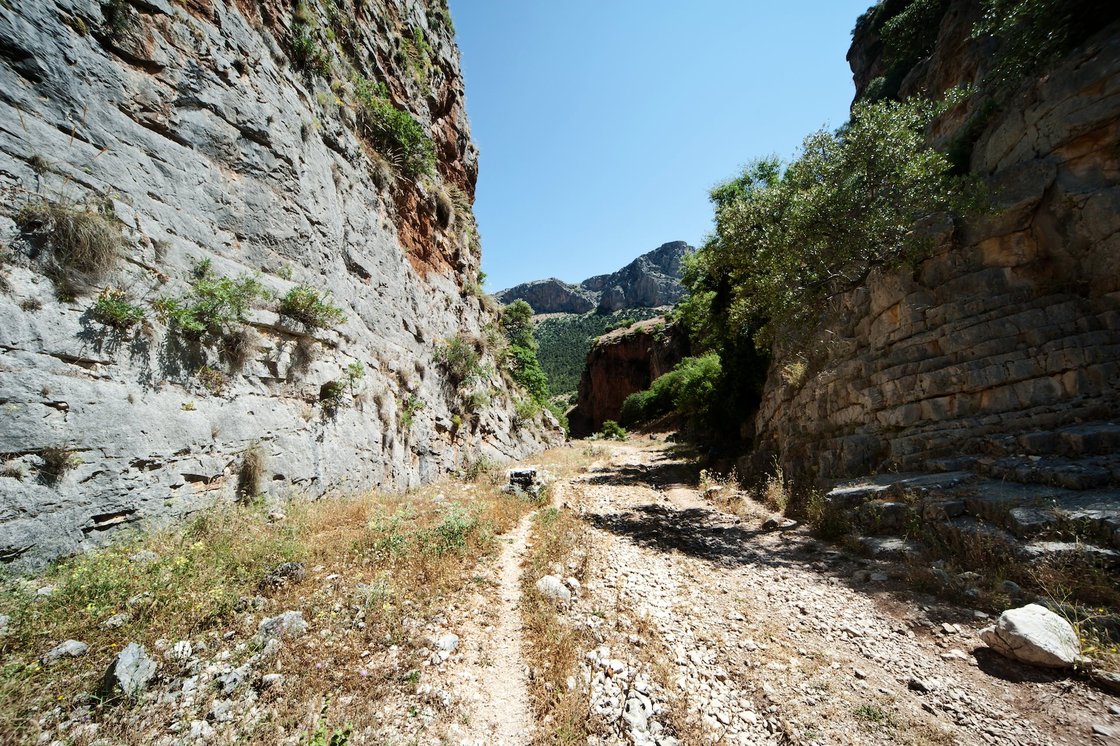
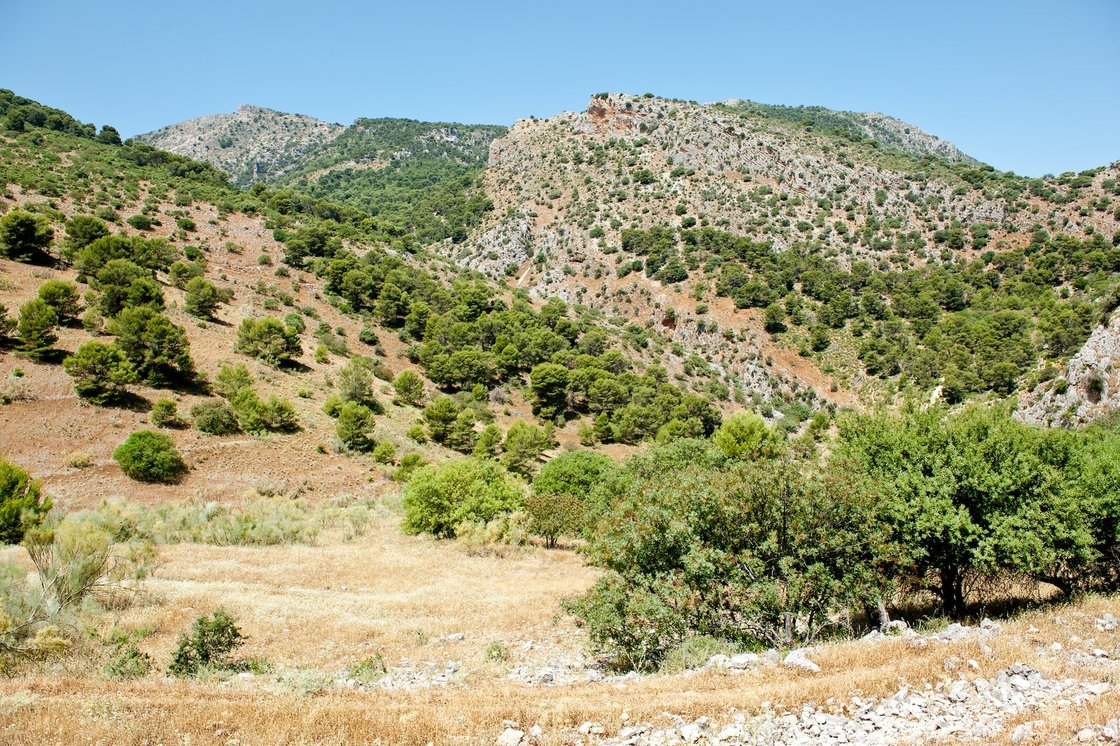
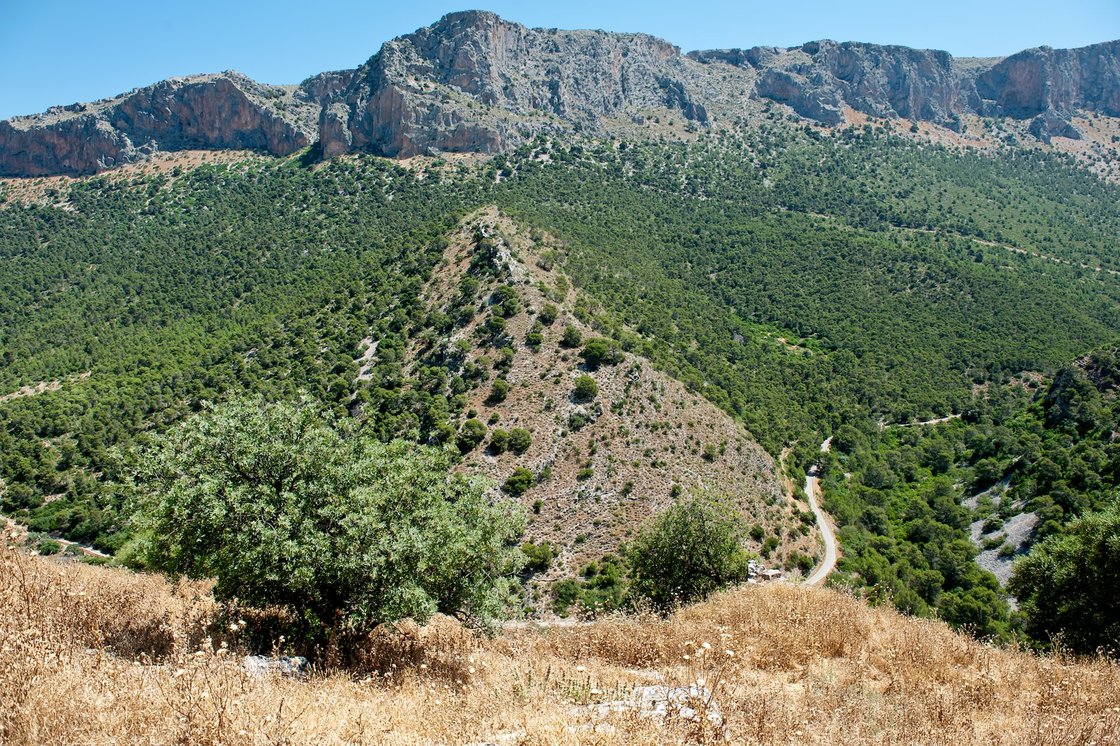
Thirteen kilometres from the city of Jaén, Otíñar offers a spectacular journey through the traces of the history that has shaped Jaén, from prehistory to the present day. Rock art, a Chalcolithic settlement, a necropolis, Roman remains, an Islamic fortress later turned into a Christian castle by Ferdinand III, and a hamlet founded in 1826 that stayed inhabited until 1970: this is the fascinating journey we invite you on.
How to arrive
You may also like
El dolmen de Otíñar
Jaén
Otíñar - Santa Cristina
Jaén
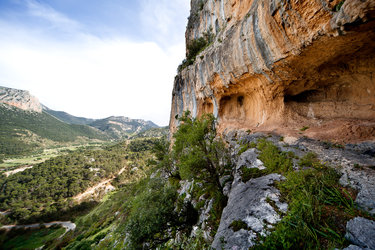
Cueva de los Soles
Jaén
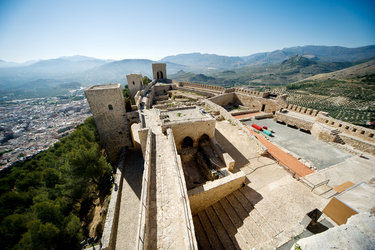
The Castle (Interior)
Jaén
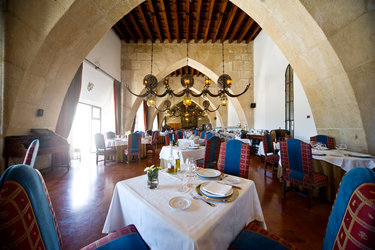
The Castle (Parador)
Jaén
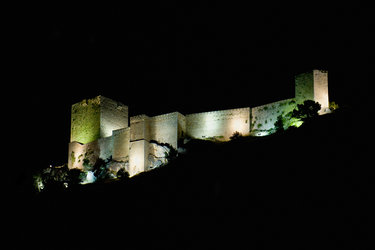
The Castle (Exterior)
Jaén
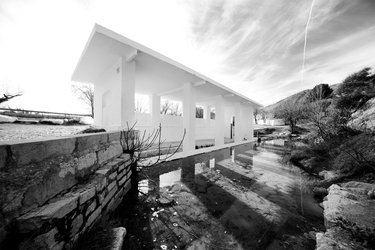
La Fuente de la Peña
Jaén
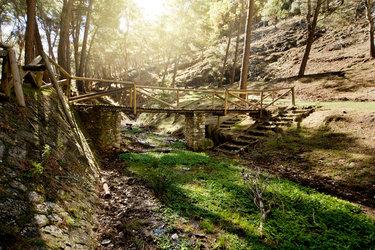
Cañada de las Hazadillas
Jaén
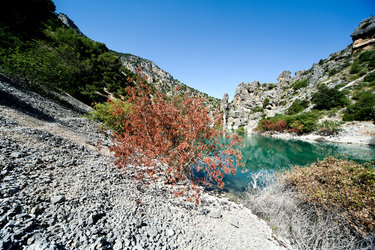
Upper Quiebrajano
Jaén, Valdepeñas de Jaén
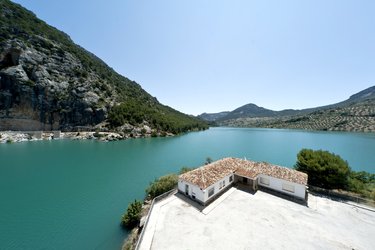
El Quiebrajano
Jaén, Valdepeñas de Jaén
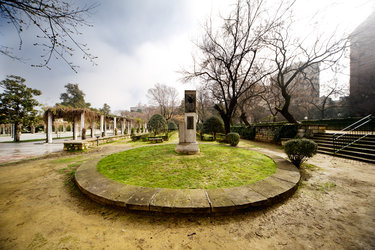
Concordia Park
Jaén
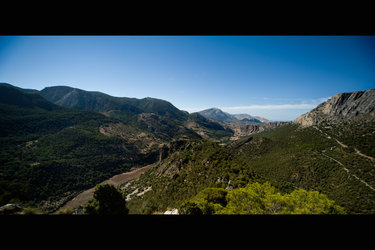
Los Madroñales
Jaén