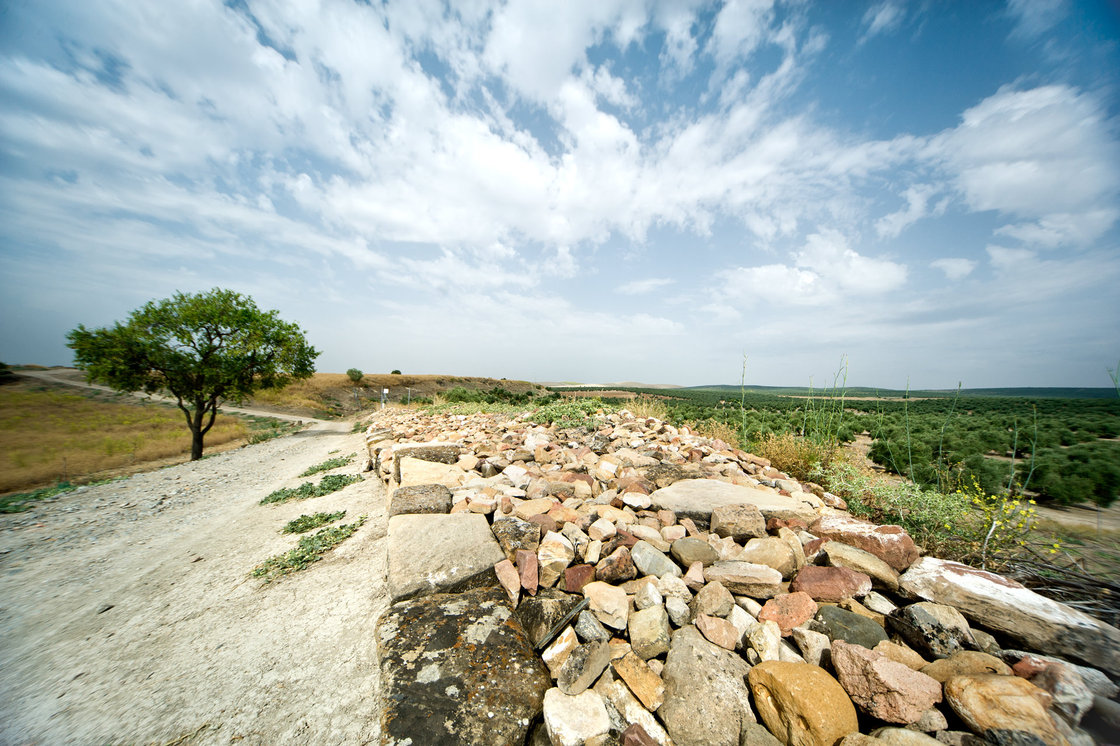
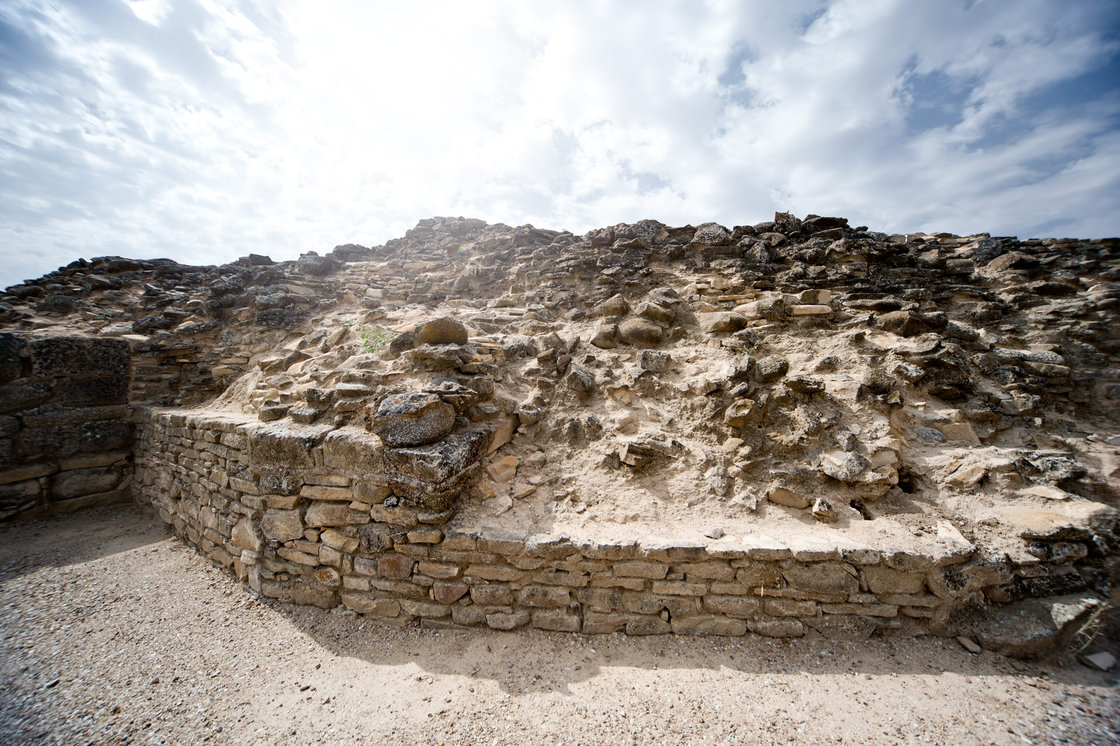
- Five kilometres from Linares, the first settlement of the Ibero-Roman city of Cástulo dates from 3000 BC.
- Under the Iberians, Cástulo was of great importance, considered the capital of Oretania and one of the largest oppida in Spain.
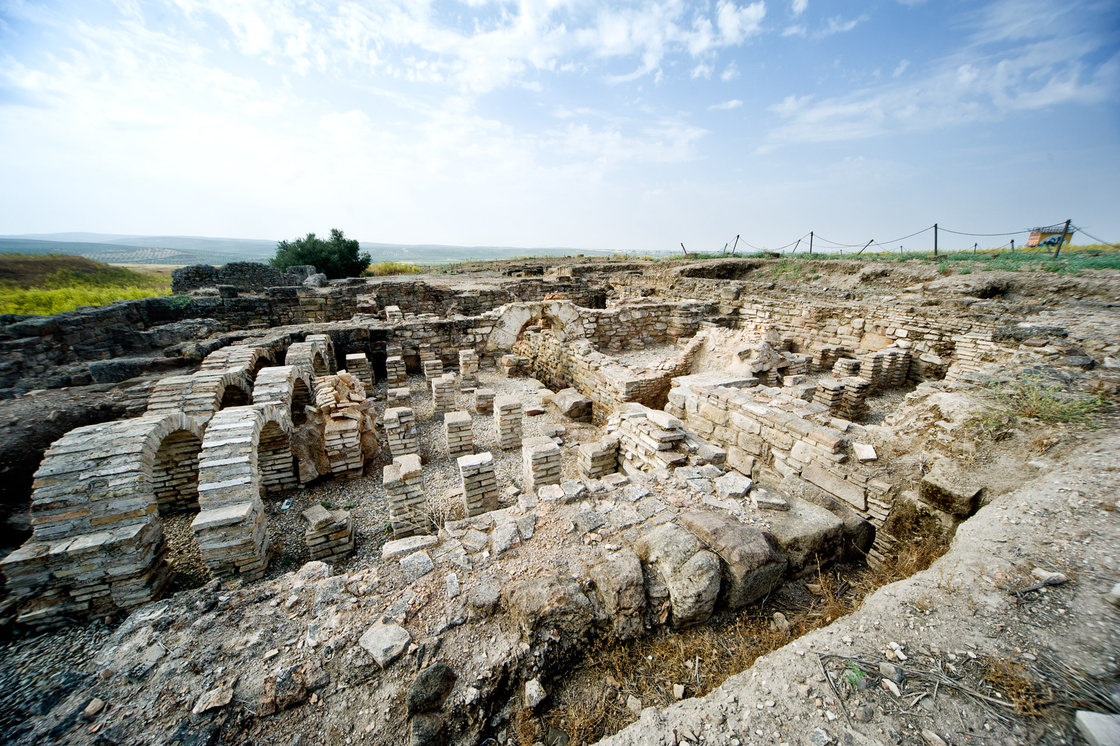
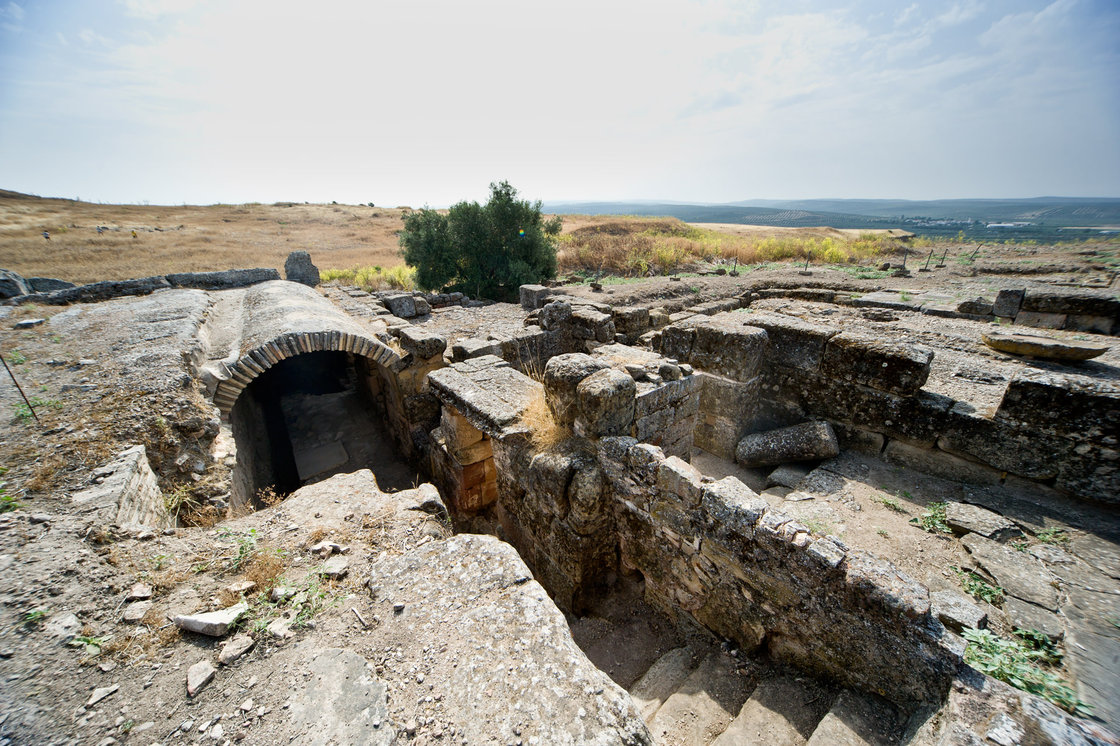
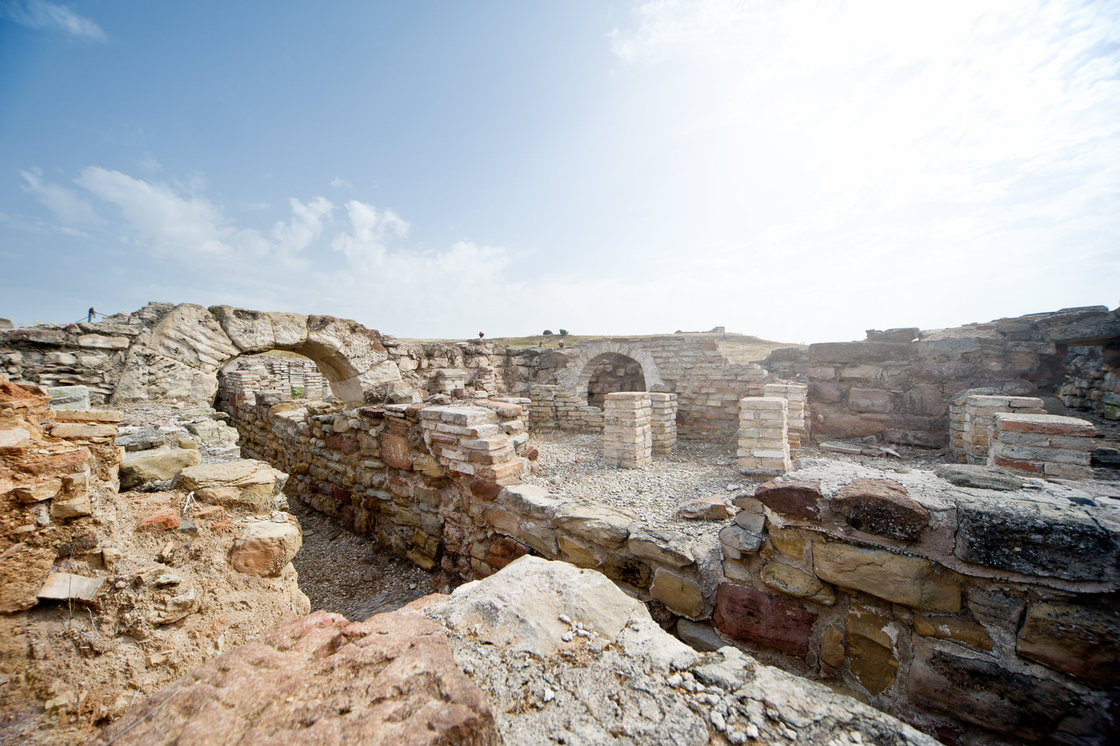
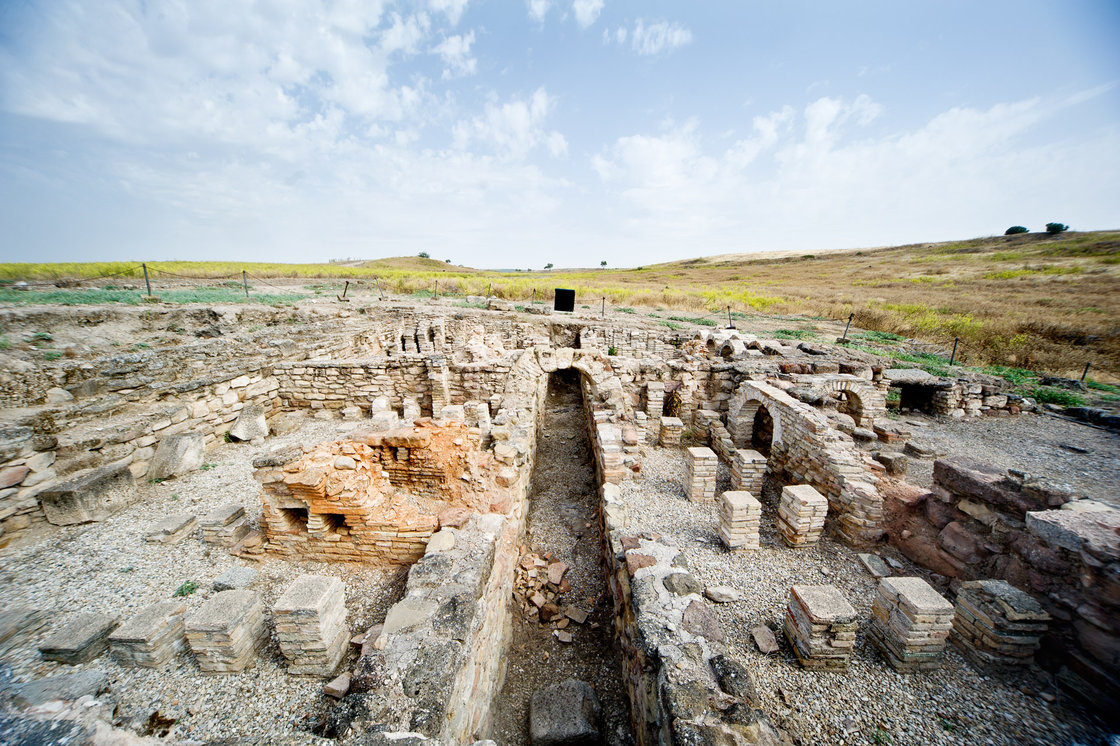
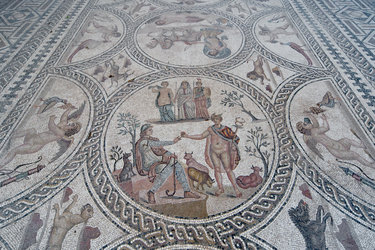
- From the 3rd century BC the city passed into Roman hands, and the best-preserved remains date from that time, such as the baths of the Villa del Olivar or the famous Mosaic of the Loves.
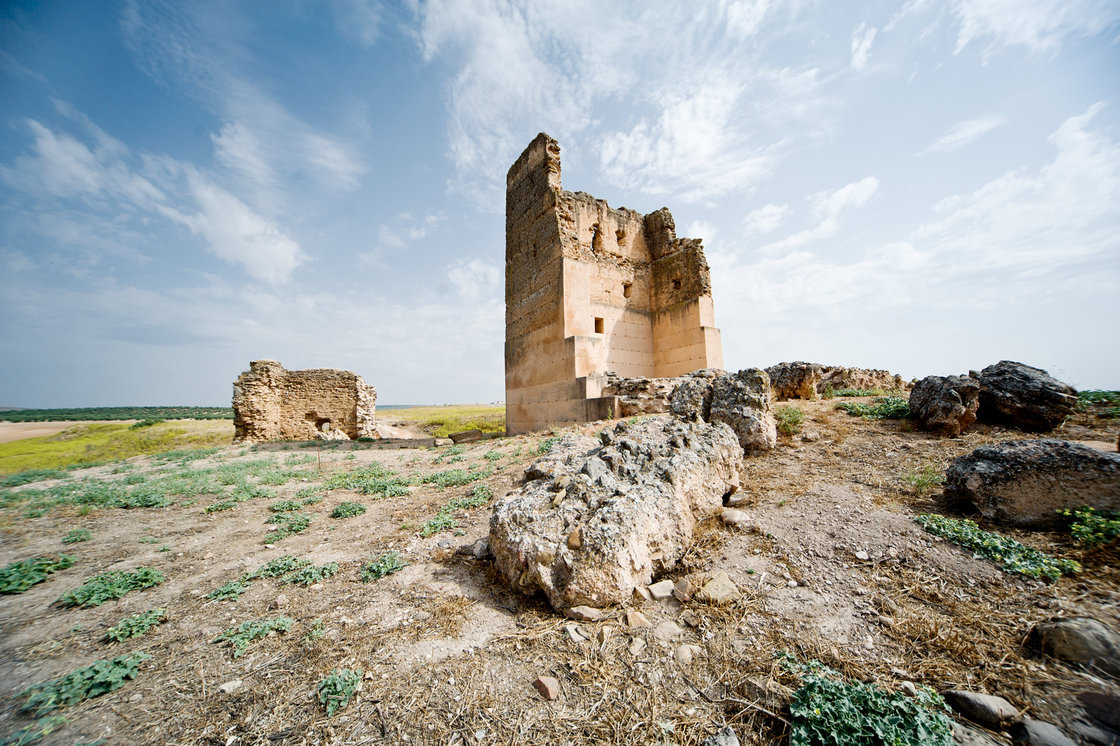
- The city began to decline in Islamic times, until it was completely abandoned in the 14th century.
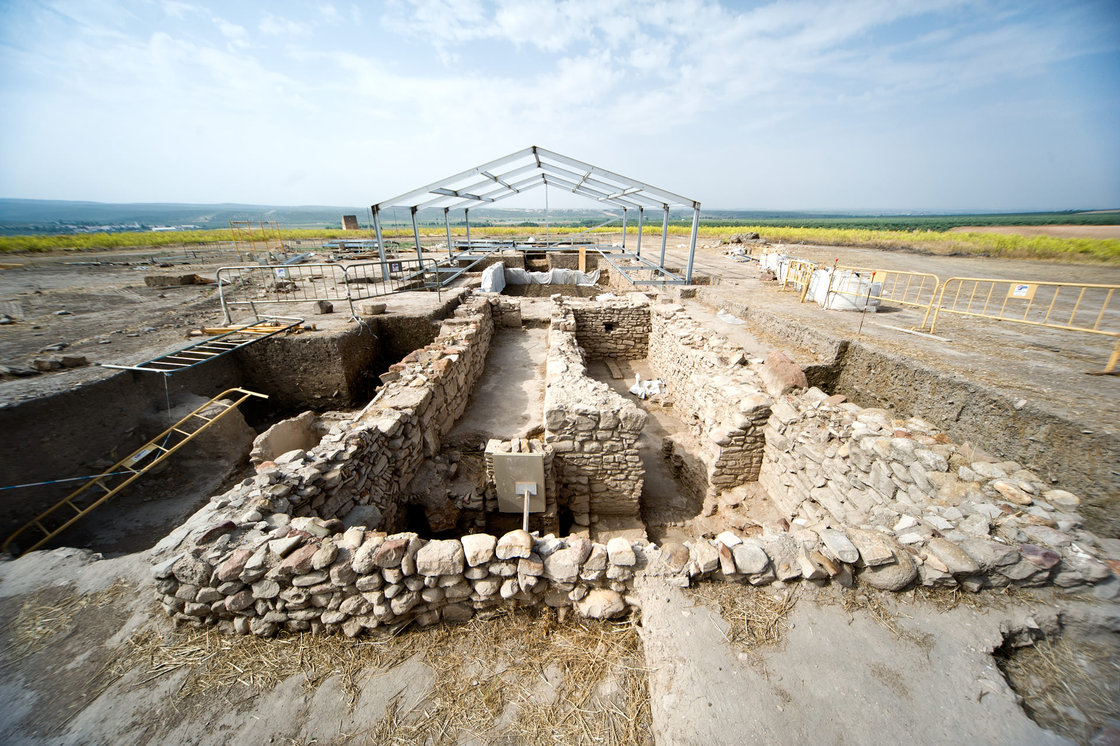
- In 2014 the number of visits to the site doubled and important finds were made, such as the figure of a lion that turned up in the excavations of the north wall.
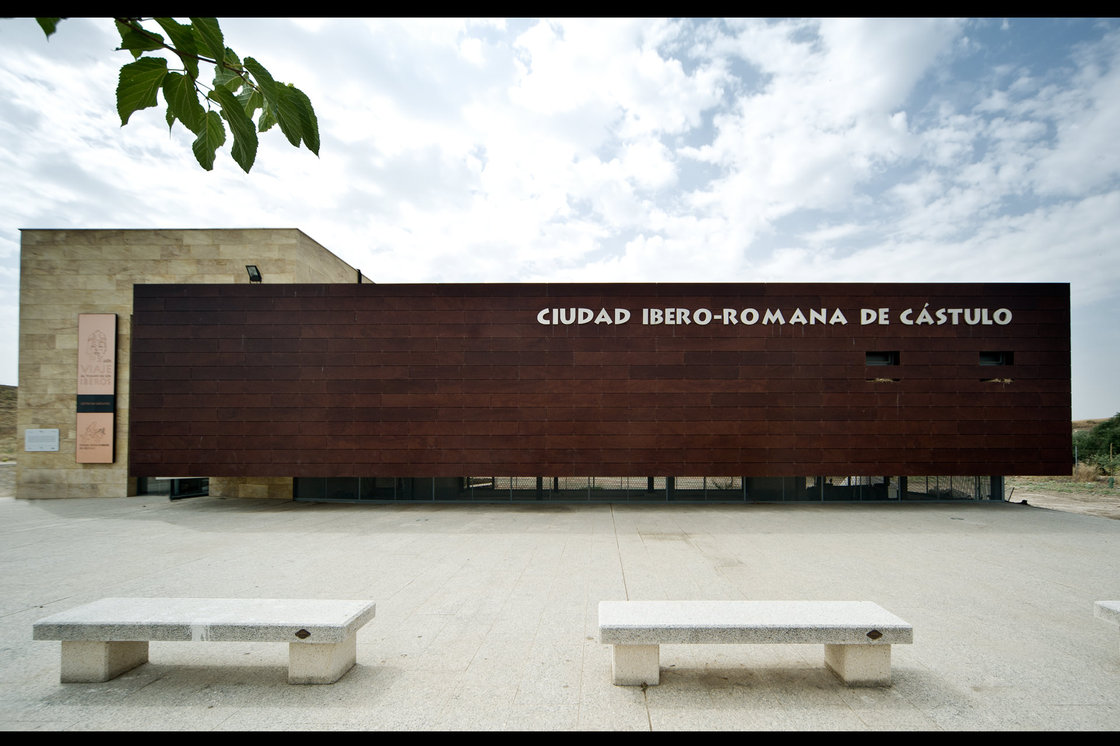
More about this place…
The Ibero-Roman city of Cástulo is one of the most important archaeological sites in all of Spain. The settlement goes back to the Neolithic, although the city’s heyday came in Iberian and Roman times. The best-preserved remains belong to the latter, such as the baths of the Villa del Olivar or the famous Mosaic of the Loves, which make this a must-see.
How to arrive
You may also like
Cástulo (2ª Parte)
Linares
La Tortilla Mine and Smelter
Linares
Mimbre Mine
Linares
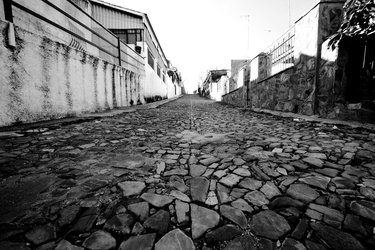
El Centenillo III
Baños de la Encina
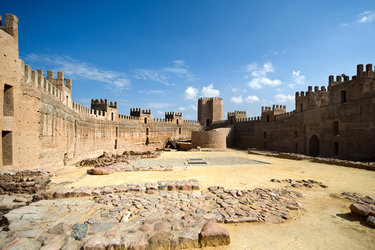
Baños Castle
Baños de la Encina
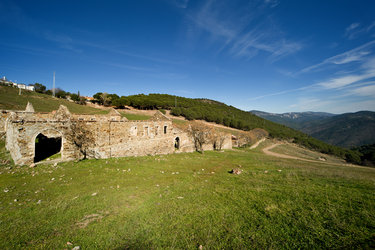
El Centenillo I
Baños de la Encina
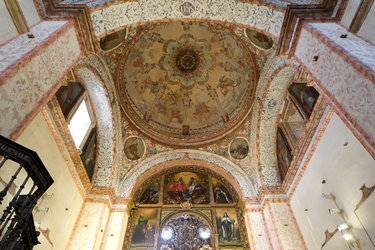
Hermitage of Jesús del Llano
Baños de la Encina
El Centenillo II
Baños de la Encina
Museum of Navas de Tolosa’s Battle
Santa Elena
El Guindo
La Carolina