- Having covered several of its mine shafts in earlier articles, this time we focus on the village.
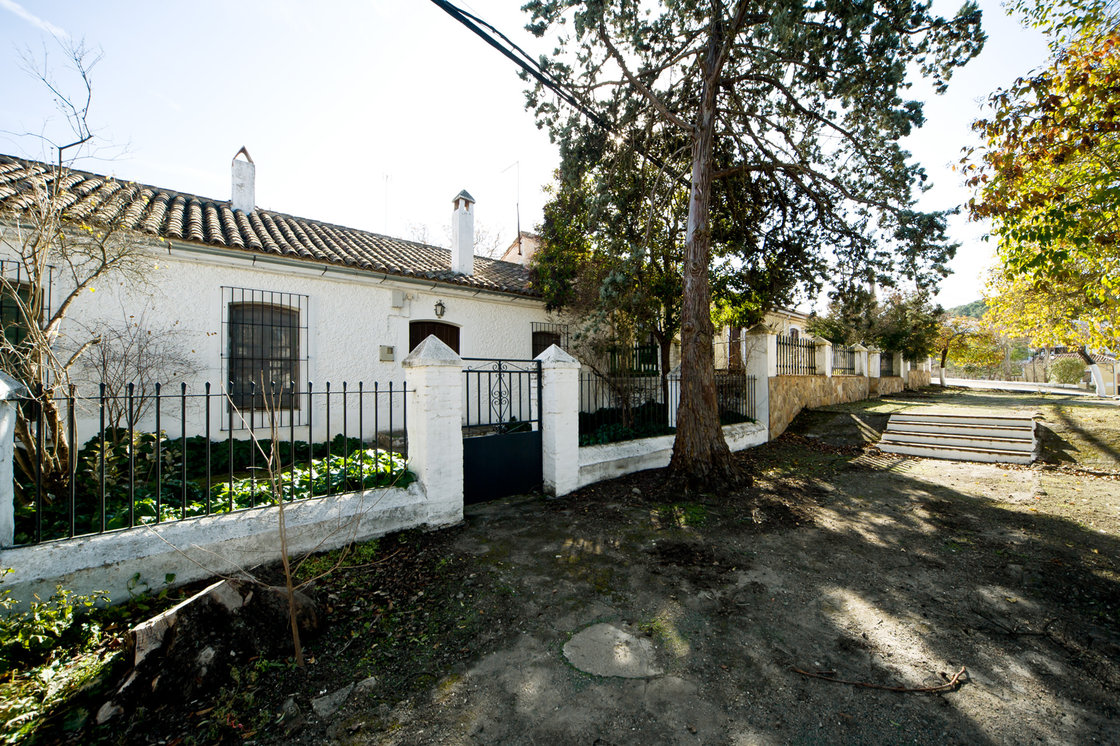
- Laid out like the mining villages of the English countryside, it was clearly organised by rank: there were areas of housing for single men, for married workers and for foremen, while the most luxurious areas were kept for the engineers and managers.
- It grew to more than 2,700 inhabitants, with every kind of service: schools, a library, a cinema, a hospital, a pharmacy, a market hall, a casino and more.
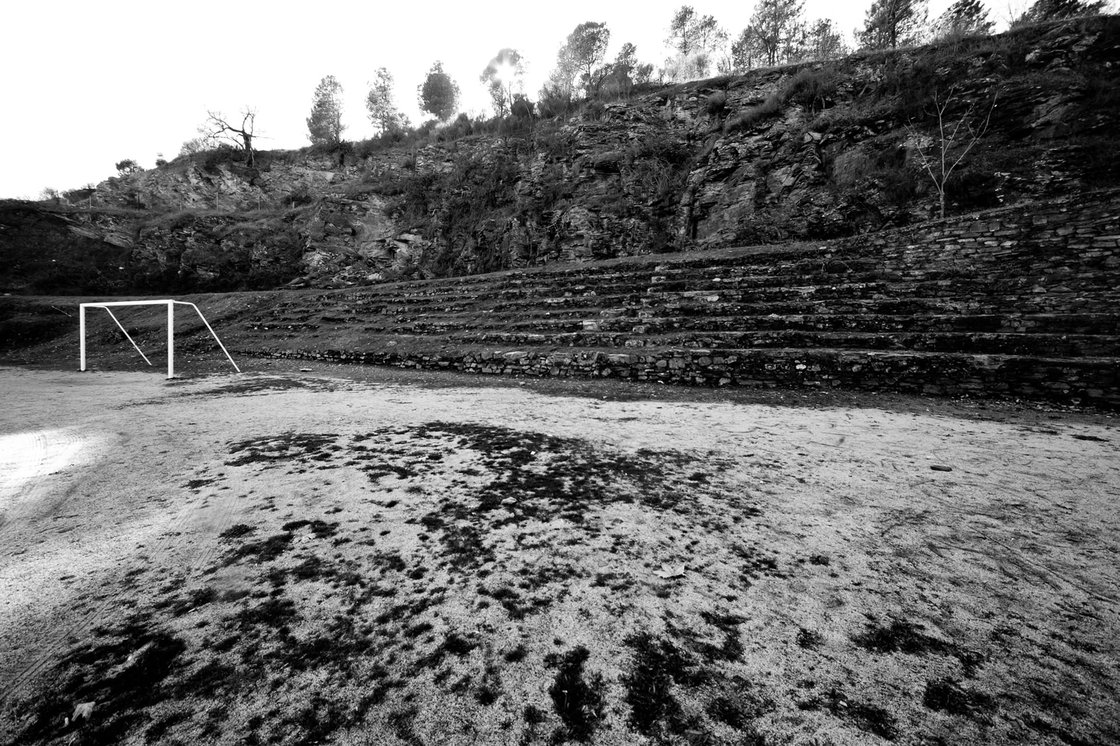
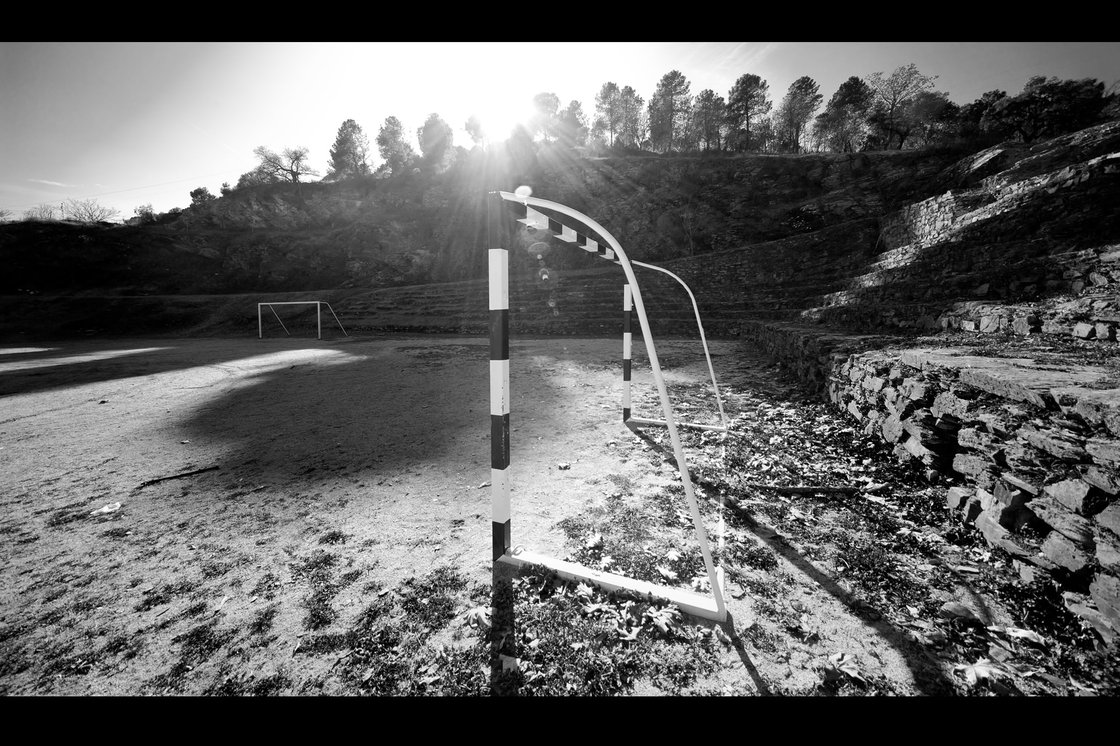
- It has one of the first football pitches in our country (many people say it was the very first) and some of the first tennis courts.
- Still lived in today, its houses are mainly second homes. Thanks to its location and low light pollution it is an ideal place for stargazing.
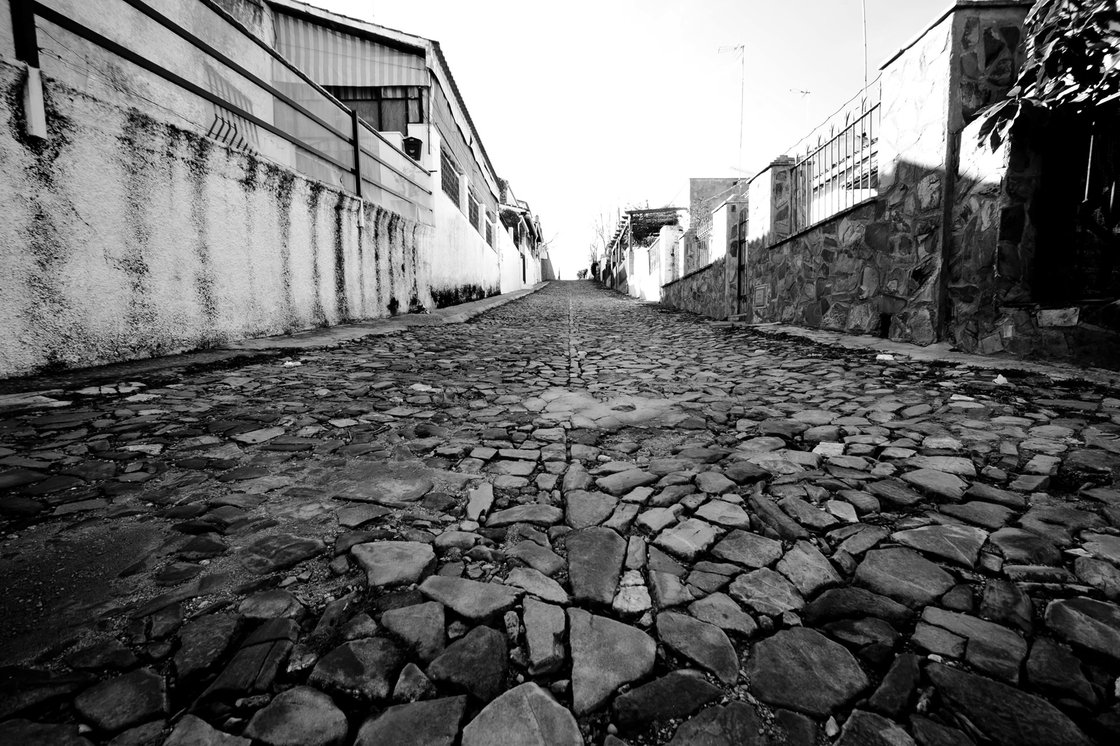
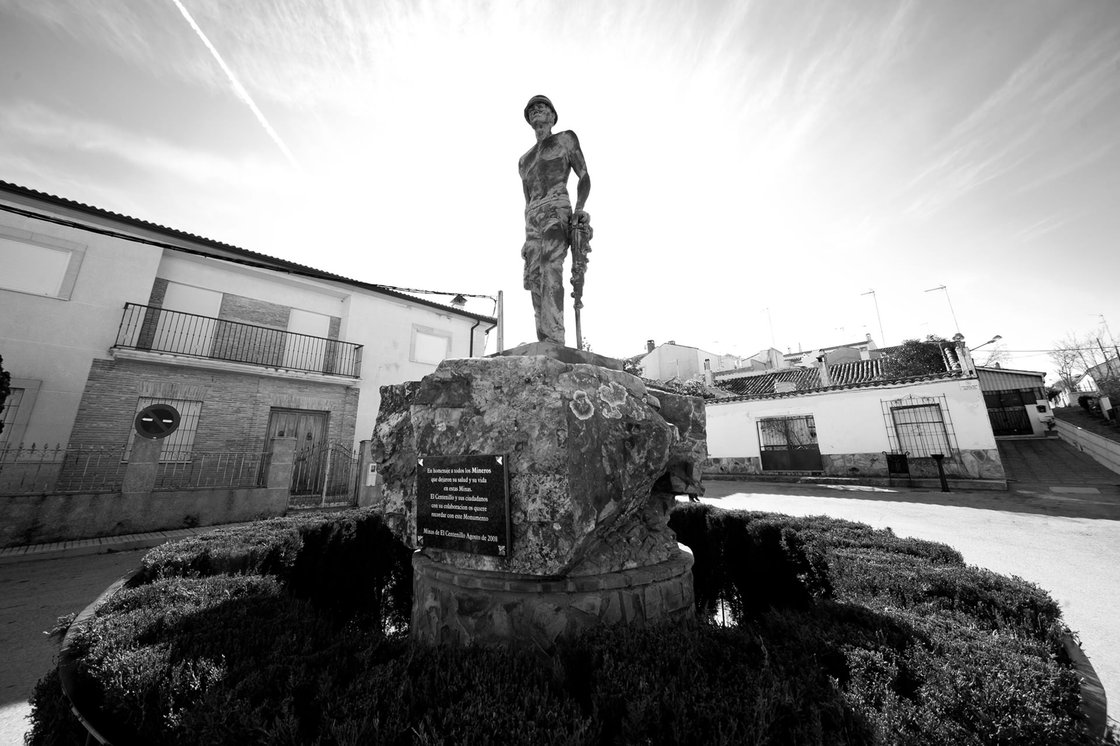
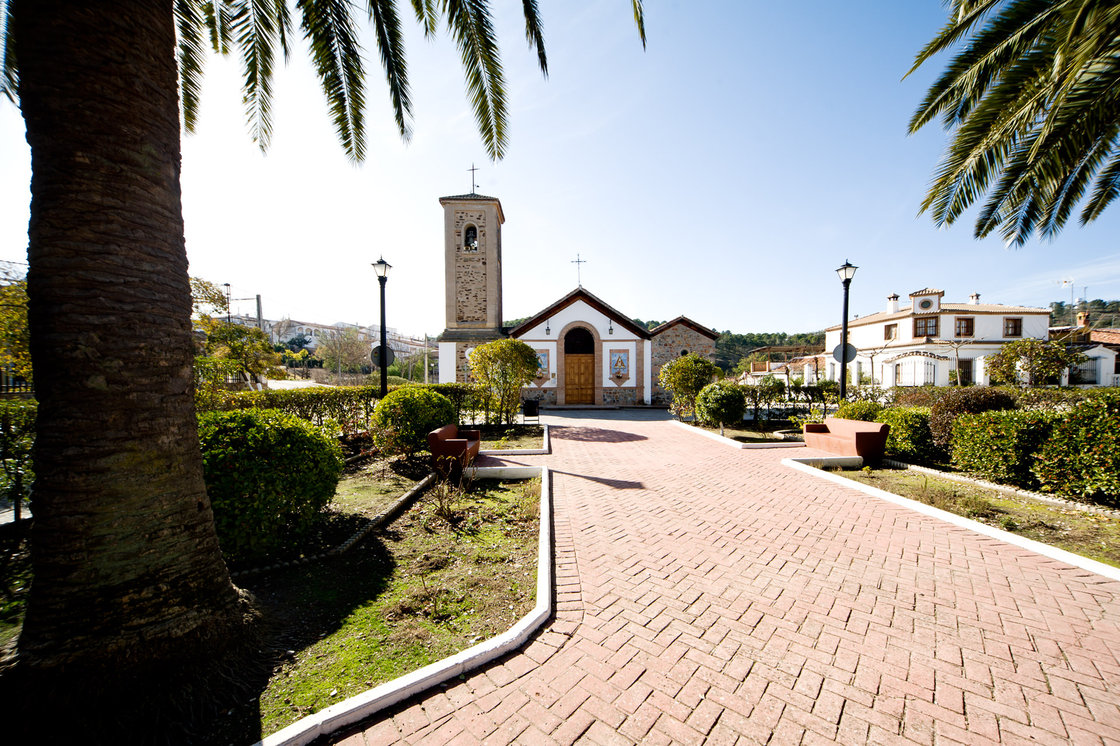
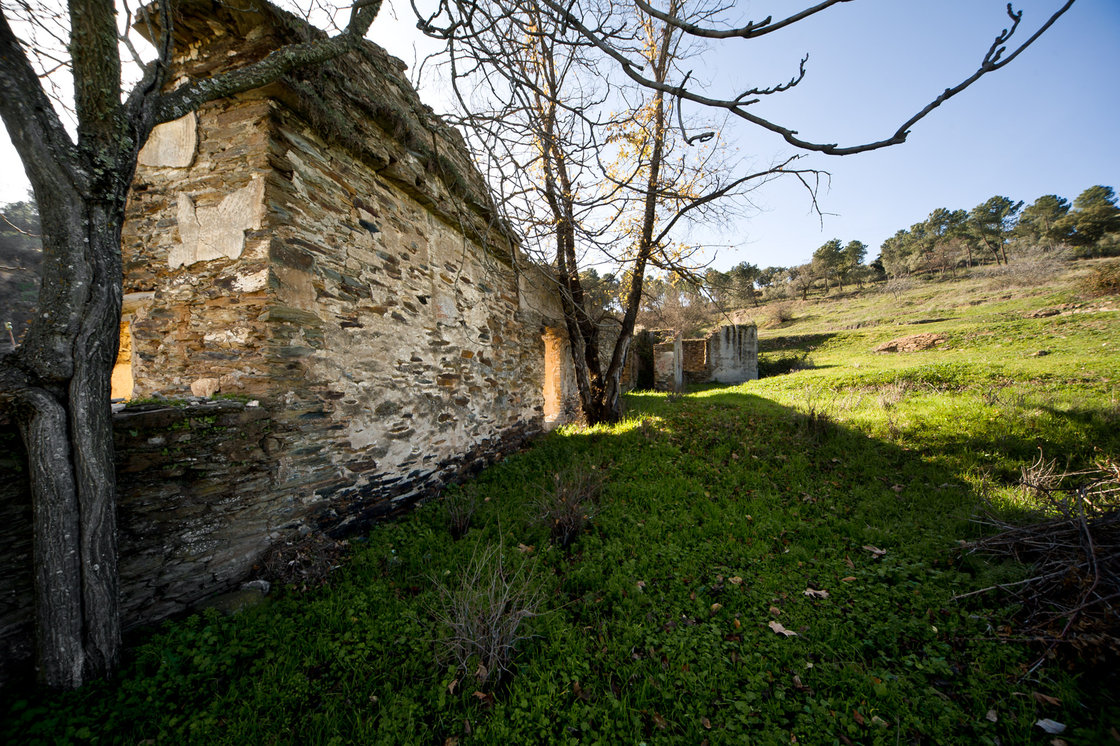
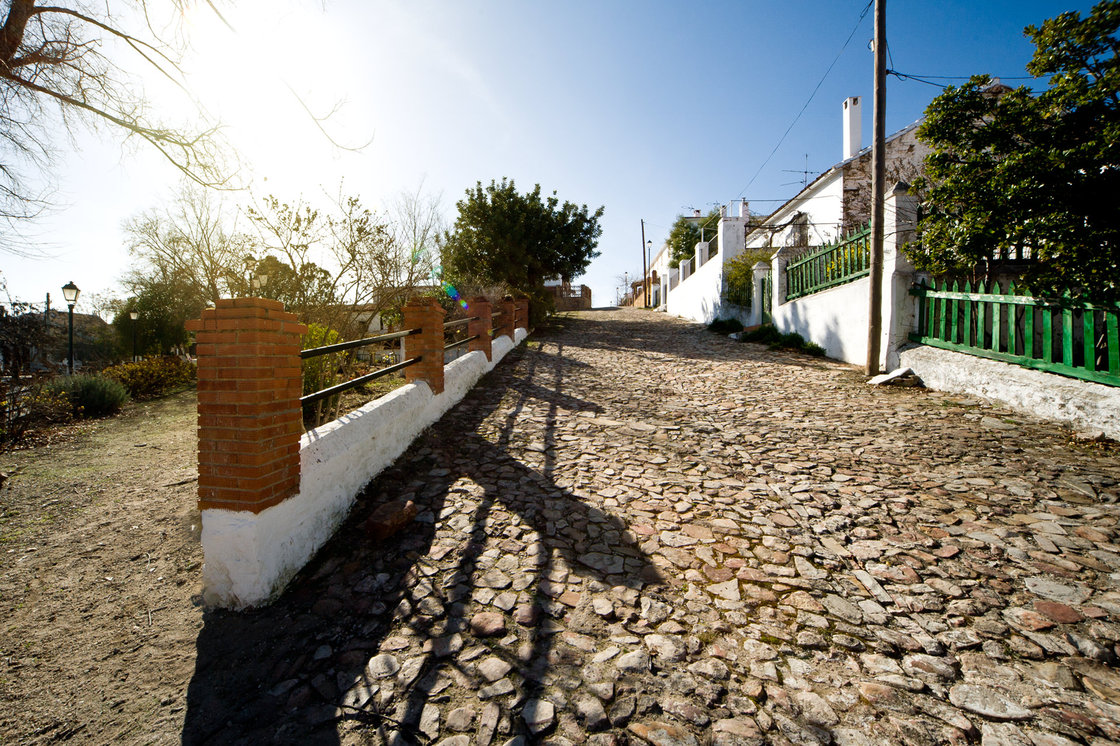
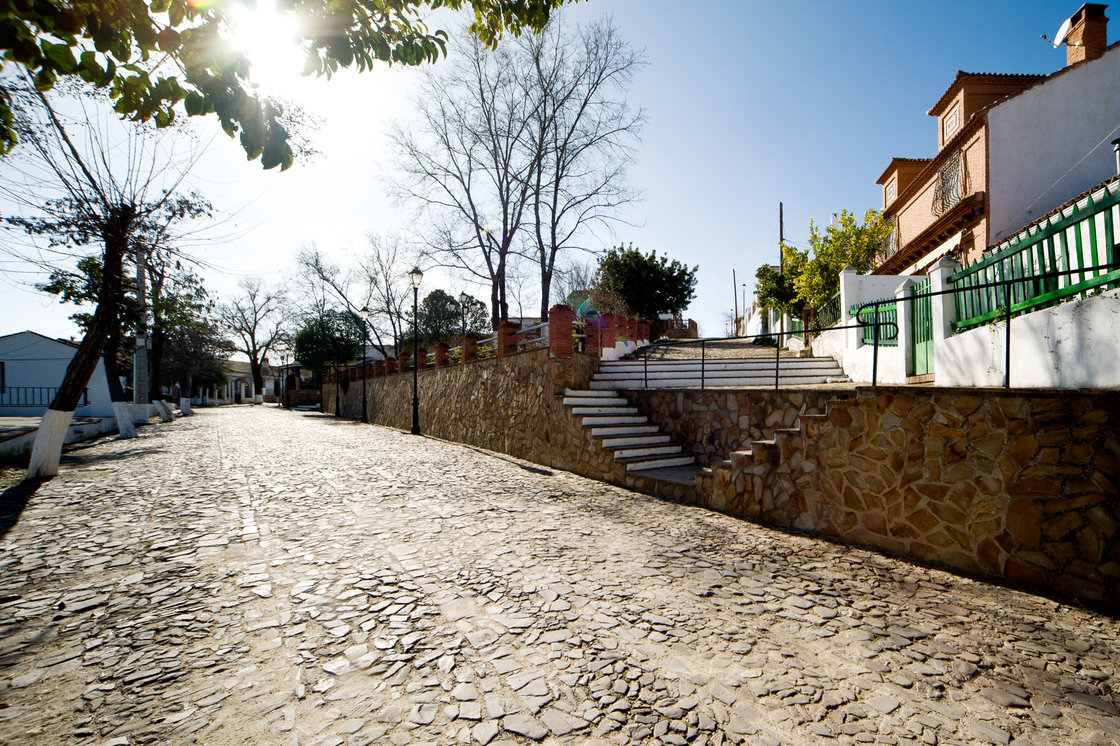
More about this place…
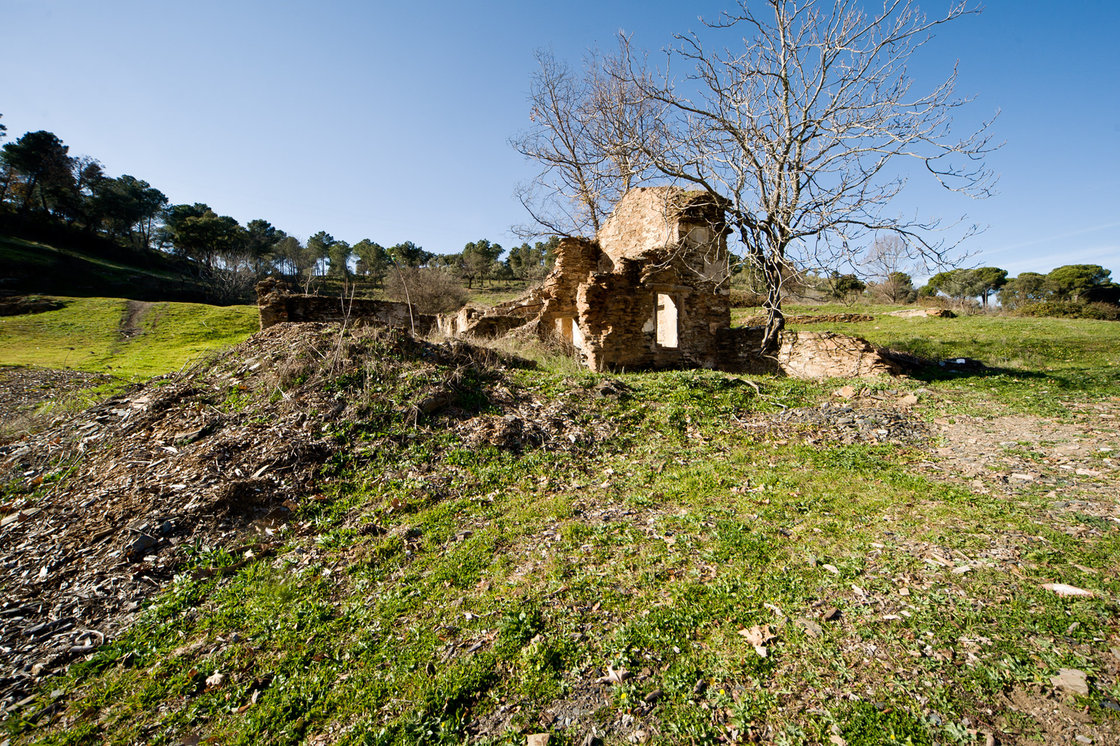
This mining village in the municipality of Baños de la Encina lived its heyday in the second half of the 20th century. The boom in mining in the area brought it to 2,700 inhabitants and every kind of service. El Centenillo had a school, a hospital, pharmacies, churches (Catholic and Protestant), a market, a cinema, a casino and also one of the first football pitches in our country; many people say it was the very first. Having visited its mines, in this third instalment we take a walk around the village.
How to arrive
You may also like
El Centenillo I
Baños de la Encina
El Centenillo II
Baños de la Encina
Peñalosa
Baños de la Encina
Baños Castle
Baños de la Encina
Hermitage of Jesús del Llano
Baños de la Encina
El Guindo
La Carolina
Mimbre Mine
Linares
La Cimbarra
Aldeaquemada
Refugio Collado de la Aviación
Santa Elena
La Tortilla Mine and Smelter
Linares
La Aliseda
Santa Elena
Cástulo (Part 1)
Linares