- Discovered by chance in 2007 during work on what was to be a block of flats, the Synagogue has been open to the public since February 2010.
- Its discovery halted the original project, and its preservation and restoration became the developers’ top priority.
- In the heart of the old town of Úbeda, according to research its origins go back at least to the 14th century.
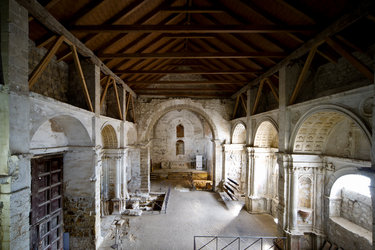
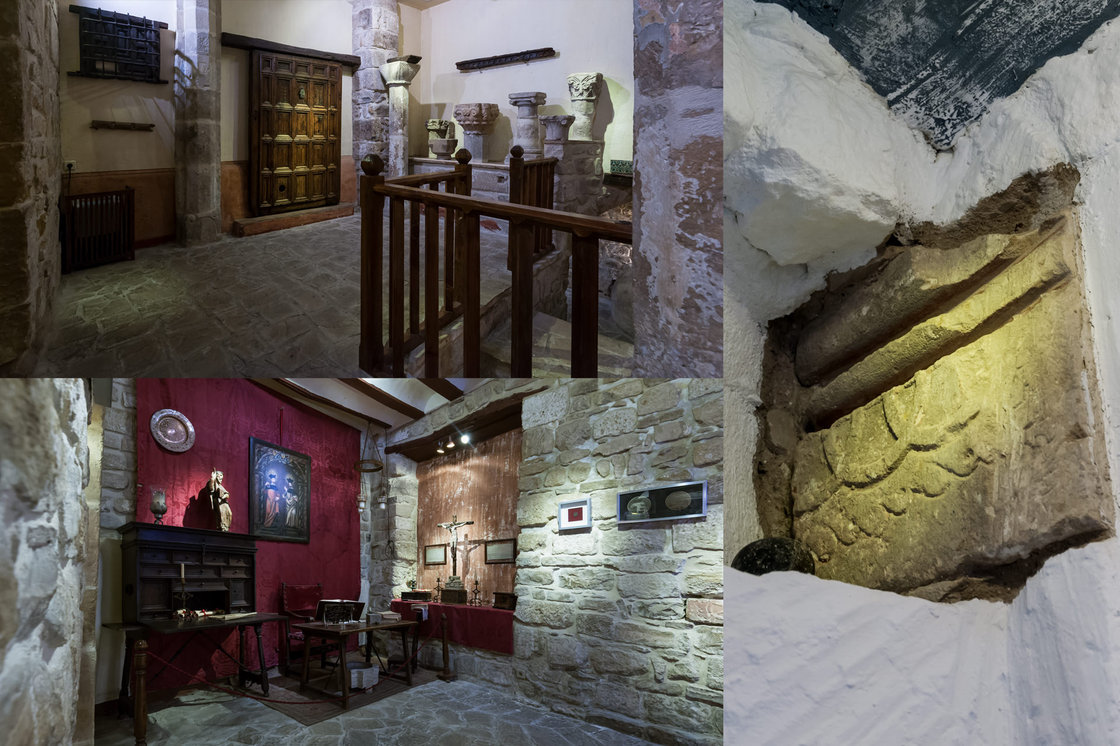
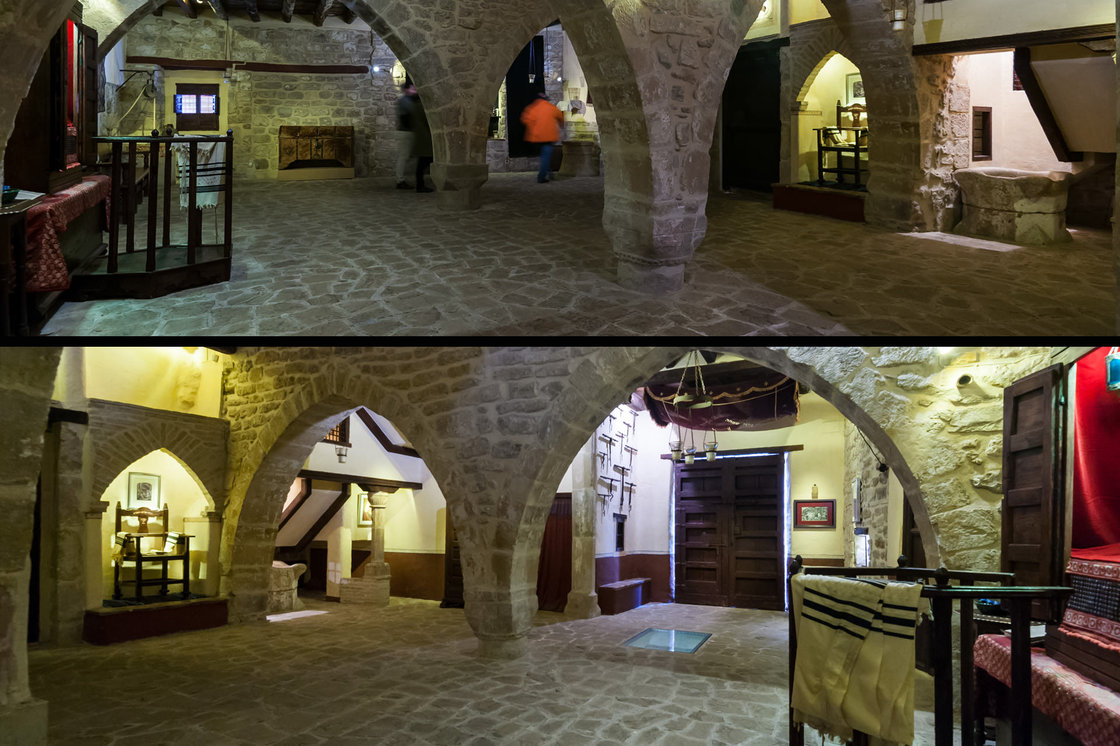
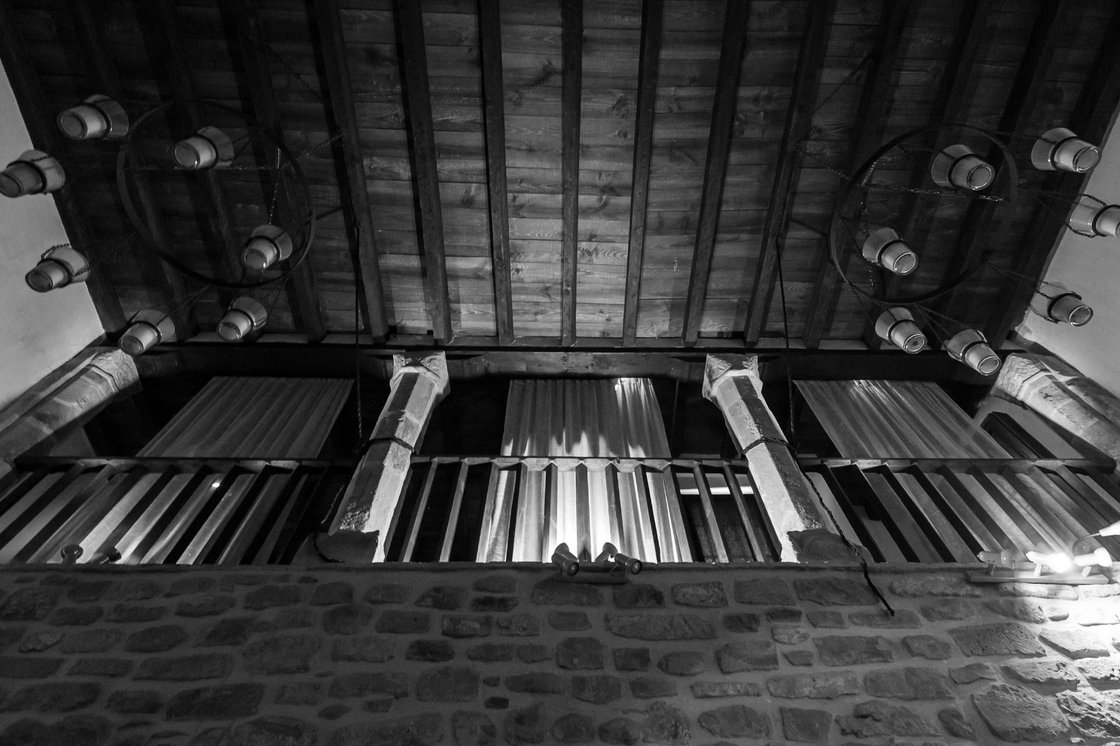
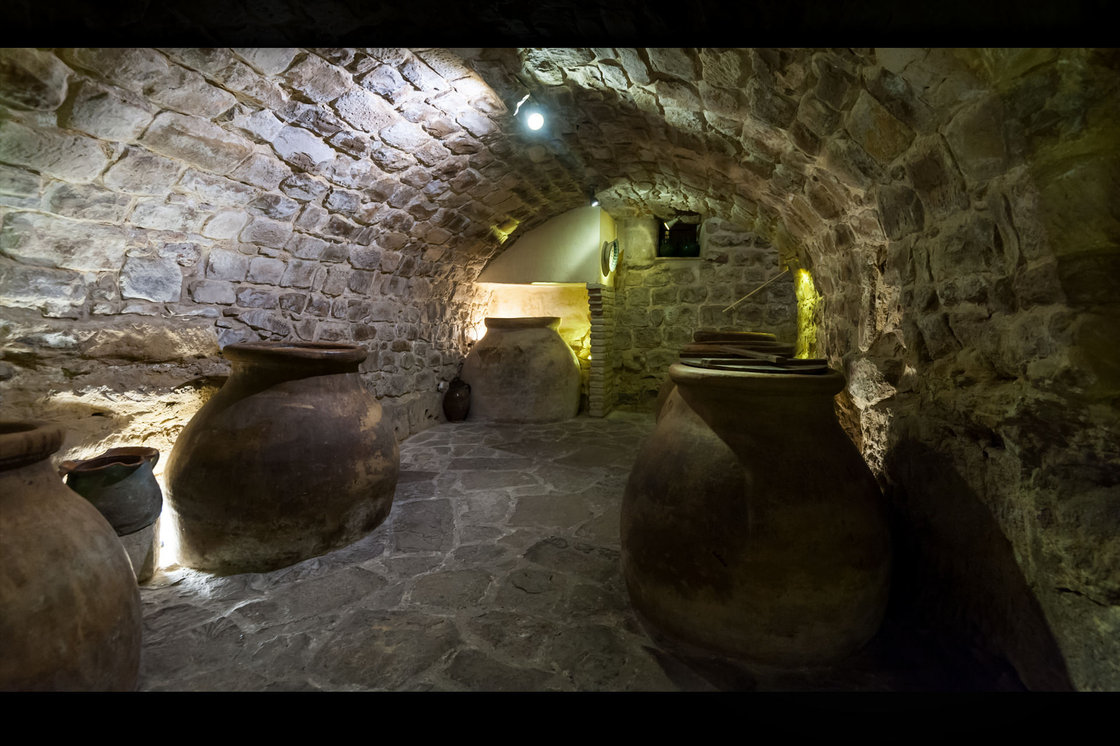
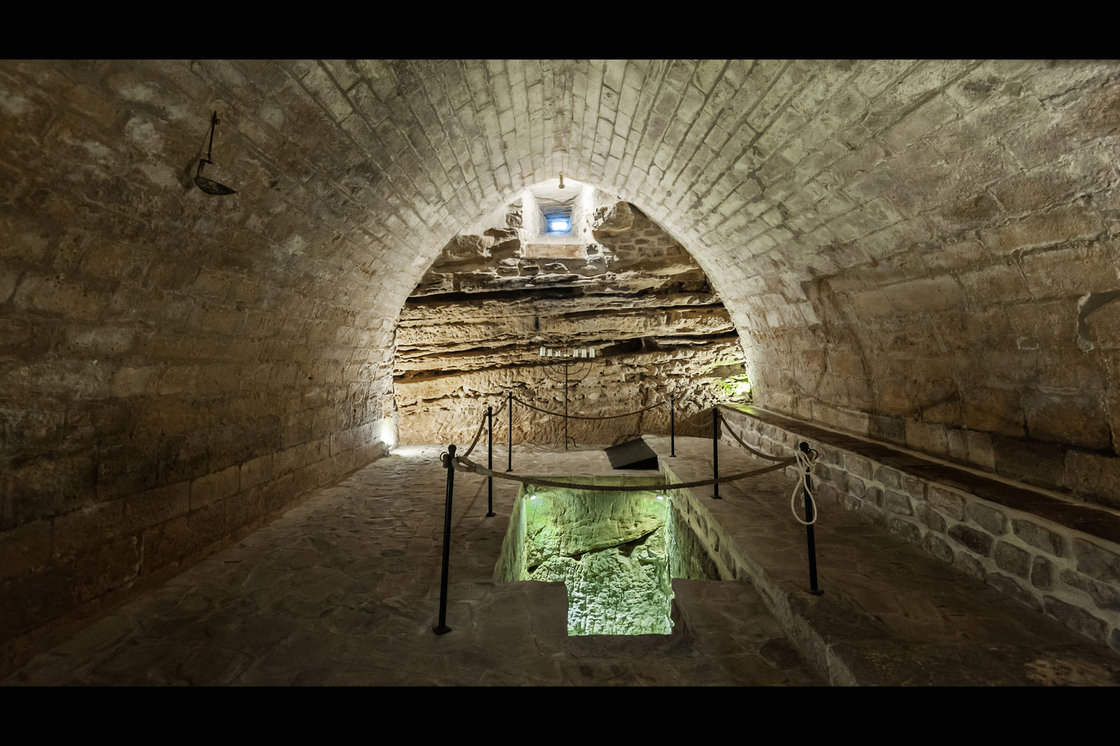
- The Synagogue is made up of six clearly distinct rooms: the inquisitor’s room, the courtyard, the main hall, the women’s gallery, the ritual bath or “mikveh”, and the cellar.
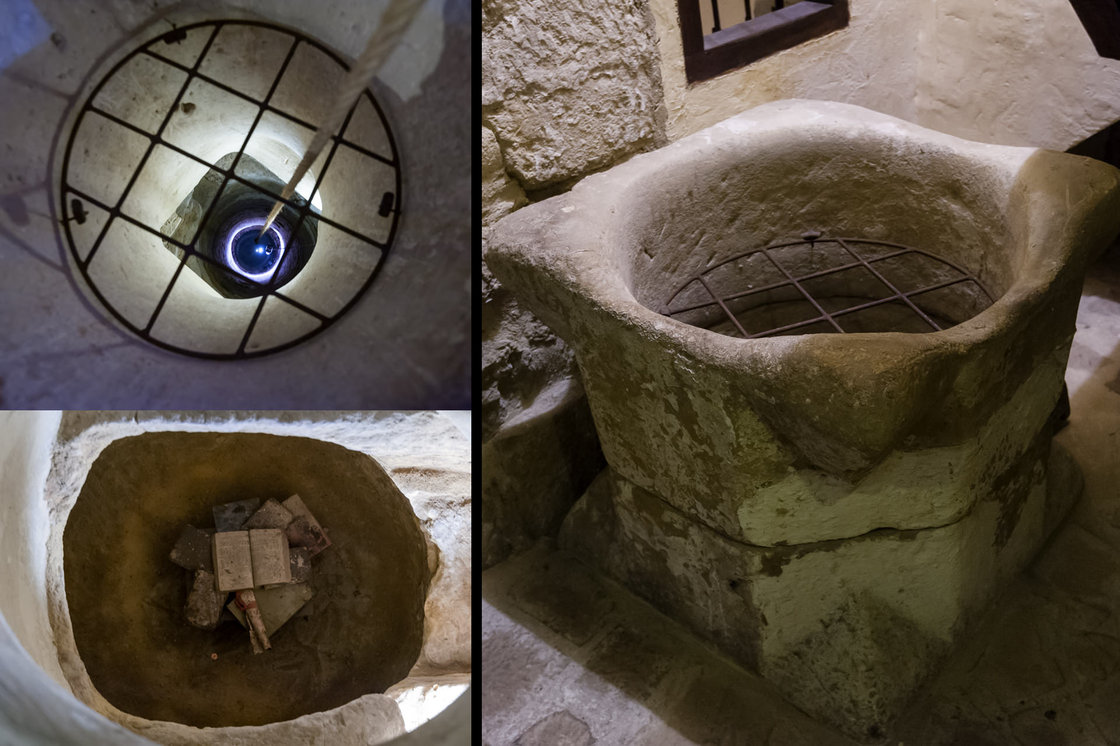
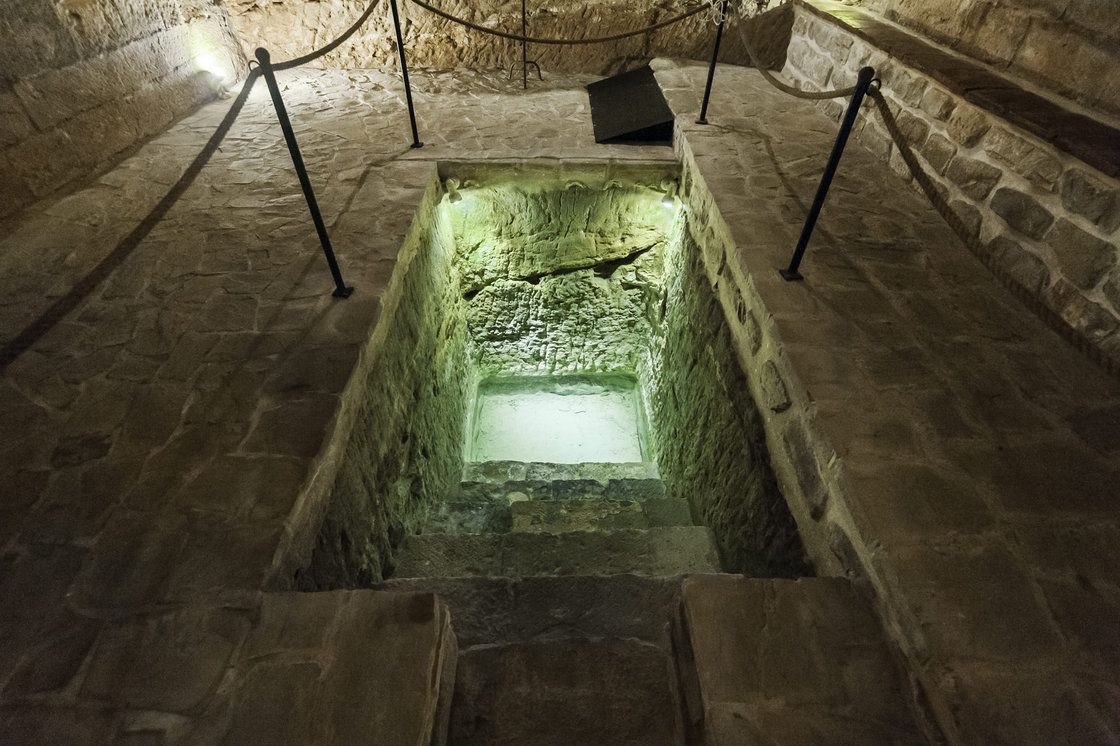
- Above all stands the “mikveh”, used for ritual purification baths, in whose centre is a hollow cut into the rock where water springs naturally.
- The mikveh and the seven wells in the Synagogue, all connected to one another, show how important water was to this place.
More about this place…
In the old town of a city declared a World Heritage Site by UNESCO stands one of its most peculiar monuments: the Water Synagogue. Its peculiarities begin with its very location, since it stood literally next door to the house of the Inquisition. As for its layout, today we can enjoy the six rooms of the original building: the inquisitor’s room, the courtyard, the main hall, the women’s gallery, the ritual bath or “mikveh”, and the cellar and ovens. Of them all, the ritual bath, or mikveh, is the most characteristic. It was used for purification baths, in which the whole body had to be immersed in its water.